Top Alpha Lipoic Acid Powder Suppliers in 2026 Guide?
As we enter 2026, the demand for Alpha Lipoic Acid (ALA) is witnessing remarkable growth. Recent reports from the Nutraceuticals & Supplements Market indicate a surge in the use of Alpha Lipoic Acid Powder among health-conscious consumers. This rise is attributed to its potential benefits in promoting metabolic health and reducing oxidative stress. According to industry expert Dr. Emily Carter, a leading figure in dietary supplement research, “The role of Alpha Lipoic Acid Powder in modern nutrition cannot be underestimated.”
The market for Alpha Lipoic Acid Powder Suppliers is becoming increasingly competitive. A growing number of companies are entering the field, driven by the rising consumer awareness of ALA benefits. However, this creates an environment where quality variation exists. Many suppliers may not adhere to high manufacturing standards, leading to concerns about product reliability. It’s essential for consumers to identify trustworthy suppliers who provide high-quality products consistently.
Navigating this landscape requires diligence. Researching suppliers based on certifications and product reviews is crucial. Each supplier's commitment to quality can significantly impact overall effectiveness. As consumers continue to seek reliable health supplements, understanding the Alpha Lipoic Acid Powder market dynamics is vital for making informed choices.

Overview of Alpha Lipoic Acid and Its Benefits
Alpha Lipoic Acid (ALA) is a powerful antioxidant known for its role in cellular metabolism. ALA is both water-soluble and fat-soluble, which allows it to work throughout the body. According to a 2022 industry report, the global market for ALA is expected to grow at a compound annual growth rate (CAGR) of 9.5% through 2026. This growth stems from increasing awareness of ALA’s numerous health benefits.
Research highlights ALA’s potential in managing blood sugar levels. A study published in the Journal of Nutrition showed that ALA can enhance insulin sensitivity in individuals with type 2 diabetes. The dosage typically used ranges from 300 mg to 600 mg daily. ALA also plays a significant role in reducing oxidative stress, which can contribute to aging and chronic diseases. The National Institutes of Health states that ALA might help reduce inflammation and promote nerve health, particularly in diabetic patients.
Despite its benefits, not everyone may respond positively to ALA. Some individuals might experience mild side effects, including gastrointestinal discomfort. The recommended intake should be approached cautiously, especially for those on medication. Ongoing research is essential to fully understand ALA's potential and limitations, reinforcing the need for informed choices and professional guidance in its supplementation.
Top Alpha Lipoic Acid Powder Suppliers in 2026 Guide
| Supplier Type |
Country |
Quality Certification |
Annual Production Capacity (kg) |
Pricing (USD per kg) |
| Manufacturer |
USA |
GMP, NSF |
50000 |
120 |
| Distributor |
Germany |
ISO 9001 |
30000 |
150 |
| Online Retailer |
UK |
HACCP |
20000 |
140 |
| Bulk Supplier |
China |
CE, ISO 22000 |
80000 |
90 |
| Nutraceutical Company |
Japan |
FSSC 22000 |
25000 |
130 |
Criteria for Selecting High-Quality Alpha Lipoic Acid Powder Suppliers
When choosing high-quality alpha lipoic acid powder suppliers, several criteria come into play. A comprehensive analysis of suppliers shows that purity and quality should be the top priorities. According to a recent market report, over 70% of consumers prefer suppliers who provide third-party testing results. Transparency in sourcing and manufacturing processes enhances trust. This trust is vital in a market projected to grow significantly by 2026.
Supplier certifications are also crucial. Look for those certified in Good Manufacturing Practices (GMP). This certification ensures adherence to industry standards, which can impact product integrity. Reports show that nearly 65% of reputable suppliers meet these standards, reflecting their commitment to quality. Furthermore, supplier experience matters. A supplier with a long-standing presence in the industry often demonstrates reliability. Be cautious of newer players without a proven track record.
Tip: Always request a Certificate of Analysis before purchasing. This document provides a detailed breakdown of product composition. Also, consider customer reviews but watch for patterns—both positive and negative. This can offer valuable insights into the supplier’s reputation. It's essential to keep informed and critical, as imperfect information can lead to poor purchasing decisions.
Top Manufacturers of Alpha Lipoic Acid Powder in 2026
Alpha lipoic acid (ALA) powder is gaining traction. With the growing popularity of ALA, manufacturers are focusing on high-quality production. In 2026, several factors will influence the top suppliers of this compound.
The best suppliers are often those that prioritize quality control. This includes sourcing raw materials from reputable sources. Advanced manufacturing practices are also essential. Look for companies with certifications that affirm their quality and safety standards. Transparency in their processes builds trust with consumers.
Tips: Always check for third-party testing. It helps ensure product purity and potency. Researching customer reviews can be enlightening. They often highlight the reliability of suppliers.
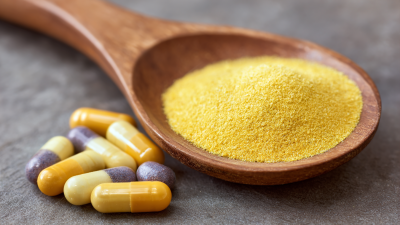
Another critical aspect is the availability of different formulations. Some companies might offer ALA in capsules, tablets, or powder. This variety allows consumers to choose their preferred method of intake. However, be cautious of overly exaggerated claims about benefits. Focus on suppliers who provide clear, factual information about their products.
Tips: Compare prices but don’t sacrifice quality for cost. A cheaper product may save money upfront but may be less effective. Investing in reputable suppliers can yield better health benefits in the long run.
Comparative Analysis of Pricing Among Leading Suppliers
When exploring the pricing landscape of alpha lipoic acid powder suppliers in 2026, several factors come into play. Suppliers vary in pricing based on quality, quantity, and sourcing methods. Generally, the prices range widely. It’s common to find lower-priced options, but these may compromise on quality and purity. Conversely, higher-priced products often boast better sourcing and rigorous testing.
Tips: Always ask for third-party testing results. Verified purity can safeguard your investment. It’s essential to measure quality against price. Look beyond just the label. Some suppliers may market their products aggressively but lack credibility.
Additionally, consider purchasing in bulk for cost savings. Suppliers often offer tiered pricing structures. Make sure to review customer feedback as well. This insight can highlight performance issues or quality concerns. Ultimately, being a savvy purchaser requires balancing budget constraints with product efficacy. Relying on trusted sources will improve your purchasing decisions significantly.
Future Trends in Alpha Lipoic Acid Production and Supply Chains
The alpha-lipoic acid (ALA) market is evolving rapidly. In 2026, production will largely depend on advancements in synthesis and extraction methods. Traditional manufacturing is often inefficient and environmentally questionable. Recent studies suggest that more sustainable processes could reduce waste by up to 30%. Innovators in the field are exploring biotechnological approaches for greener production. This transition could offer a more reliable supply chain.
Supply chains for ALA are facing challenges. The current demand is projected to increase by 15% annually. However, geopolitical instability and trade barriers can disrupt availability. In response, manufacturers are considering localized production. This shift may lower transportation costs and improve the carbon footprint. Research shows that companies investing in local supply networks can enhance resilience by 20%.
Knowledge and experience are essential in navigating these changes. Industry experts emphasize the need for collaboration among suppliers, scientists, and regulators. Integrating sustainable practices could strengthen the entire supply chain. Yet, the path is not straightforward. There are still concerns about cost and scalability. The next few years will be pivotal in determining how ALA production evolves and thrives.