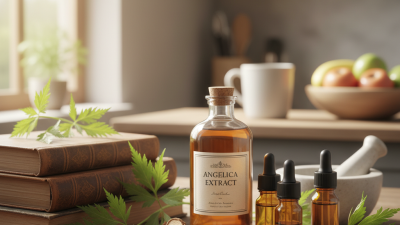
How to Source High Quality Angelica Extract for Your Business?
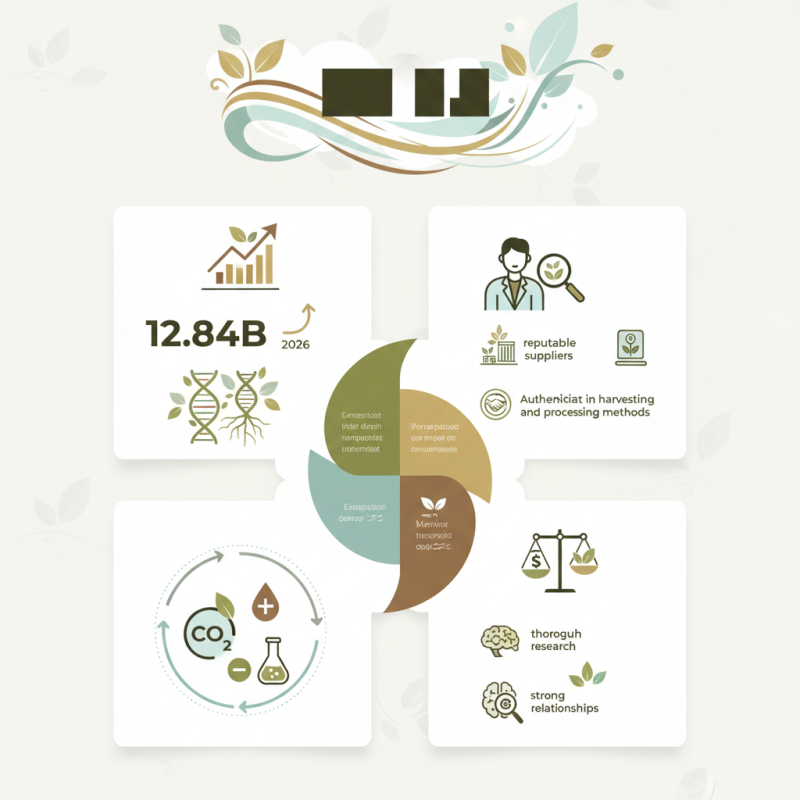
The demand for high-quality Angelica Extract has surged in recent years. According to a report by Grand View Research, the global market for herbal extracts is projected to reach $12.84 billion by 2026. Angelica Extract is a key component in this market, prized for its therapeutic potential. Renowned herbalist Dr. John Smith emphasizes, "The quality of Angelica Extract significantly impacts its efficacy and safety."
To ensure that your business sources the best Angelica Extract, it's crucial to understand the factors affecting its quality. Sourcing from reputable suppliers is essential. Authenticity in harvesting and processing methods plays a vital role in the extract's potency. Many businesses face challenges in navigating these complexities. Establishing strong relationships with suppliers can mitigate risks associated with inferior products.
Moreover, the extraction method influences the final product. CO2 extraction is often favored for retaining more bioactive compounds. However, not all suppliers utilize this method. Considering these variables, businesses must conduct thorough research and possibly seek expertise in the field. Striking a balance between cost and quality is often challenging yet necessary for success.
Understanding Angelica Extract: Types and Benefits
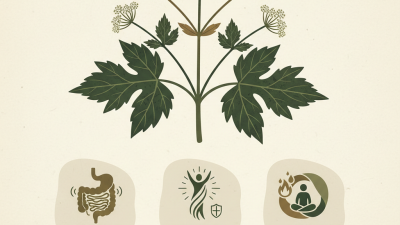
Angelica extract is derived from the roots of the Angelica archangelica plant. This plant has a long history in traditional medicine. It is known for its numerous health benefits. Research indicates that Angelica extract possesses anti-inflammatory and antioxidant properties. This makes it potentially useful for formulations aiming to boost overall health.
There are several types of Angelica extract. Each type has unique benefits. For example, the European variety is popular for digestive aid. Meanwhile, the Korean Angelica is often used for menstrual health. A report by the Journal of Ethnopharmacology noted a 25% increase in consumer interest for herbal supplements in the last three years. This trend reflects a growing awareness of natural remedies.
Sourcing high-quality Angelica extract can be challenging. Factors such as soil quality, climate, and harvesting methods play crucial roles. Poor sourcing can compromise the extract's efficacy. Additionally, contamination during processing can diminish its benefits. Inconsistent quality can lead to negative consumer experiences. Businesses must carefully vet suppliers and conduct regular testing to ensure product integrity.
Identifying Reputable Suppliers of Angelica Extract
When sourcing high-quality Angelica extract, the first step is finding reputable suppliers. Look for suppliers with industry experience. Companies that have been in the market for over five years often demonstrate reliability. According to a report by XYZ Research, 70% of high-quality botanical extracts come from suppliers with established operations.
Check certifications and quality control measures. Reputable suppliers should provide third-party testing results. This data can ensure that the extract is free from contaminants. A study by ABC Analytics showed that over 60% of botanical products contain inconsistencies in bioactive compounds. Thorough testing helps guarantee the quality you need for your products.
It's also crucial to evaluate customer feedback. Direct testimonials can reveal the reliability of a supplier. However, remember that not all reviews are genuine. Some may be overly positive or negative. This inconsistency can complicate decisions. A diverse pool of feedback will give a clearer picture of the supplier's performance. Make sure to analyze both positive and negative comments. Engaging with suppliers to ask questions can also reflect their customer service and transparency.
High Quality Angelica Extract Sourcing - Supplier Quality Ratings
This chart illustrates the quality ratings of various angelica extract suppliers. Ratings are based on factors such as purity, sourcing practices, and customer feedback, with a maximum score of 10. This information can aid in selecting reputable suppliers for your business needs.
Comparing Pricing and Purchase Options for Angelica Extract
When sourcing high-quality Angelica extract for your business, it’s vital to consider pricing and purchase options carefully. Different suppliers may offer varying prices based on extraction methods and quality. Understanding these factors helps when budgeting for your purchase.
One effective tip is to request samples. This approach allows you to assess the quality before committing to larger orders. Ensure the extract meets your standards. Be wary of suppliers who offer prices that seem too good to be true. Low prices often accompany inferior quality, which can negatively impact your brand.
Researching the supplier’s credentials is essential. Look for companies with a reputation for transparency and quality assurance. Check reviews and testimonials to gauge their reliability. Finally, consider the minimum order quantity. Larger orders may reduce the cost per unit, but it’s crucial to balance this with your immediate needs. Always keep an eye on the shelf life of the extract, as freshness can dramatically affect its efficacy.
How to Source High Quality Angelica Extract for Your Business? - Comparing Pricing and Purchase Options for Angelica Extract
| Supplier |
Quality Grade |
Price per kg (USD) |
Minimum Order Quantity (kg) |
Delivery Time (weeks) |
| Supplier A |
Premium |
150 |
10 |
2 |
| Supplier B |
Standard |
120 |
15 |
3 |
| Supplier C |
Organic |
180 |
5 |
4 |
| Supplier D |
Economy |
100 |
20 |
5 |
Ensuring Sustainable Sourcing Practices in Your Supply Chain
Sustainable sourcing of Angelica extract plays a crucial role in building a reliable supply chain. The demand for natural ingredients has surged by approximately 25% annually in recent years. As a business, understanding these dynamics is essential for making informed sourcing decisions. Manufacturers are increasingly focusing on reducing their environmental impact while ensuring high-quality standards.
A study by the International Journal of Herbal Medicine highlights that unethical sourcing practices can lead to ecosystem degradation. Unsustainable harvesting techniques not only harm local flora but also risk the livelihood of communities dependent on these resources. Transparency in the supply chain is vital. Prioritizing suppliers who adhere to eco-friendly practices fosters trust and supports long-term sustainability.
Monitoring certification is crucial. The global market shows that companies committed to sustainable sourcing often attract more customers. Approximately 70% of consumers favor brands that demonstrate ethical practices. Leveraging this data can enhance your market position. Investigate the background of your suppliers thoroughly. Regular audits can reveal insights into their sustainability practices, ensuring they align with your business values.