Icarin is a naturally occurring flavonoid glycoside most commonly associated with Epimedium species. It attracts global interest because buyers explore its use in standardized botanical extracts, research materials, and regulated wellness products. Yet the name alone proves little. Product quality depends on botanical identity, extraction conditions, icariin content, and documented testing.
Phytochemistry specialist Dr. Jian-Wei Xie has stated, “Identity comes before potency; an impressive assay cannot rescue a misidentified extract.” This principle matters at every stage of international sourcing. A buyer should review the Latin plant name, plant part, extraction ratio, batch number, and certificate of analysis. High-performance liquid chromatography results should match the stated specification. Heavy-metal, pesticide, microbial, and residual-solvent testing also require attention.
The market is not perfectly consistent.
Some suppliers describe raw extract percentages without explaining the testing method. Others use “Icarin” broadly, even when they mean a mixed Epimedium extract. That ambiguity can create avoidable purchasing risks. Experienced buyers usually request reference samples, compare multiple batches, and verify documents with an independent laboratory when the order is significant. Regulatory expectations also differ between countries, especially for food, cosmetics, and research-use materials. Therefore, responsible sourcing requires more than negotiating price or delivery time. It requires traceable suppliers, clear specifications, lawful import procedures, and careful review by qualified regulatory professionals. This guide examines how global buyers can assess Icarin sources with greater confidence, while recognizing that laboratory data and supply-chain claims still need independent verification.
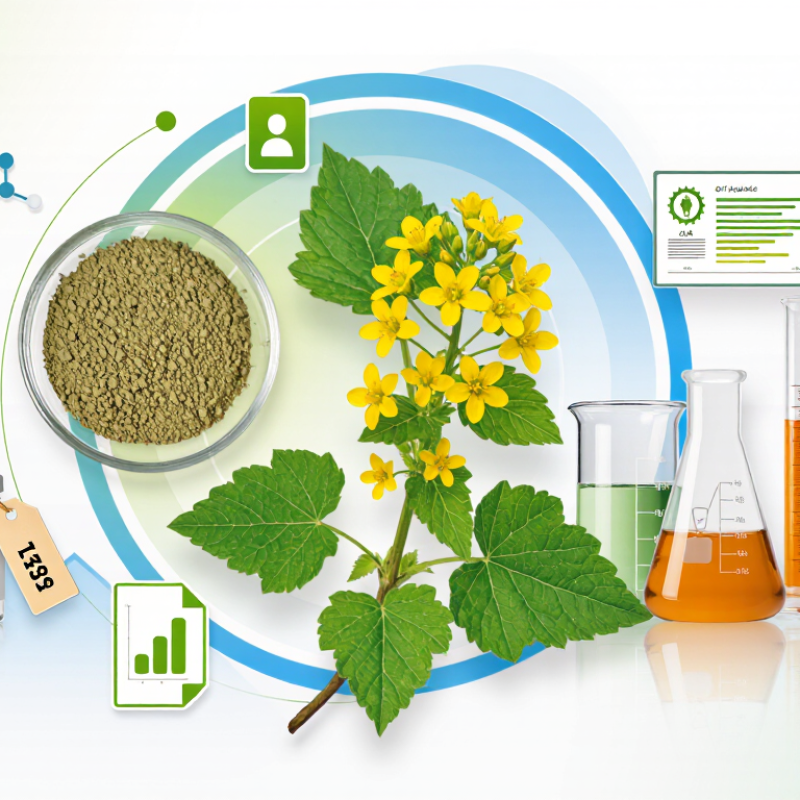
Icariin, also written as icarin in some commercial materials, is a prenylated flavonol glycoside. It is mainly associated with Epimedium species, traditional botanical plants found across parts of China and neighboring Asian regions. The compound occurs in the dried aerial portions, including leaves and stems. Plant variety, harvest season, drying temperature, and storage can affect its concentration.
Chemically, icariin has the molecular formula C33H40O15 and a reported molecular weight of about 676.66 g/mol. Its structure includes a flavonol core, a prenyl group, and sugar residues. These features influence its polarity, solubility, and analytical behavior. It is not simply “an Epimedium extract.” A raw extract may contain several related flavonoids, while purified icariin requires stronger identity controls. This distinction is often overlooked.
Tips: Global buyers should request botanical authentication, a clear extraction description, and batch-specific testing. HPLC or LC-MS can help confirm identity and assay value. Check moisture, microbial limits, pesticides, heavy metals, and residual solvents. Review the certificate of analysis carefully. A neat document is not proof by itself. Supplier history and independent laboratory results matter. I have seen specifications that looked precise but lacked a validated test method, which deserves caution. Buyers should also confirm the intended product category and local compliance requirements before ordering. A single standard may not fit every market.
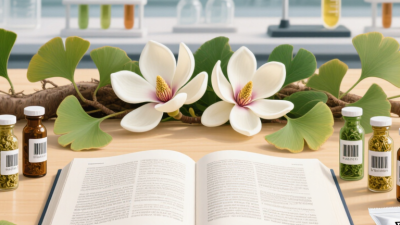
Icariin is a naturally occurring flavonoid glycoside found mainly in Epimedium species. These plants grow in parts of East Asia, especially in mountain and woodland regions. Icariin is concentrated in the leaves and stems, while roots usually contain different compound profiles. Global buyers commonly purchase dried plant material or standardized botanical extract from audited agricultural suppliers.
Extraction begins with cleaning and controlled drying. The dried material is then milled into a coarse powder. Ethanol-water mixtures are often used to draw out icariin and related flavonoids. After filtration, the liquid is concentrated under reduced pressure. Further purification may use macroporous resin, membrane filtration, or chromatography. The final extract is dried into powder. Extraction yields vary with species, harvest season, moisture, and solvent conditions. No method is perfect. Overheating can reduce quality, yet mild processing may leave unwanted plant compounds.
Tips: Ask for the botanical species, plant part, extraction solvent, and icariin assay method. Review recent certificates of analysis, especially HPLC results, moisture, heavy metals, pesticides, and microbial limits. A claimed percentage alone proves little. Buyers should also check batch traceability, facility quality systems, and import requirements in the destination market. Supplier documents can look complete, but independent testing remains a sensible safeguard.
Icariin is a prenylated flavonol glycoside mainly found in the aerial parts of Epimedium species, commonly known as horny goat weed. Commercial material is generally sourced as dried herb or as a standardized botanical extract.
The chart presents indicative literature-reported icariin concentration ranges in dried aerial herb from selected Epimedium species. Actual values vary with species identification, plant part, harvest season, geographic origin, drying conditions, and analytical method. Buyers typically verify identity and marker content by HPLC before purchasing extracts. Extraction commonly uses aqueous ethanol, followed by filtration, concentration, drying, and chromatographic standardization.
Icariin is a flavonoid compound found mainly in Epimedium species. Researchers have studied it for potential effects on bone, vascular, and reproductive health. Laboratory studies suggest it may support nitric oxide signaling and healthy blood flow. Some early research also explores its role in bone-forming activity and inflammatory response.
The evidence remains uneven. Human studies are limited, and laboratory findings do not guarantee practical benefits. Some users seek icariin in products positioned for vitality, exercise recovery, or sexual wellness. These uses require careful wording because dosage, purity, and individual health conditions can change outcomes. It is not a proven treatment for disease. More data are needed.
For global buyers, reliable sourcing starts with botanical identification and a clear extraction specification. A serious supplier should provide the icariin assay method, batch testing, and contaminant results. Heavy metals, pesticides, microbes, and residual solvents deserve attention. Storage also matters. Heat, moisture, and light may affect powder stability. Buyers should confirm local supplement rules before import, since permitted claims and classifications differ. The ingredient can look consistent while its testing history remains incomplete. That is a warning sign. Professional review is sensible when a product targets human consumption, especially alongside medicines or chronic conditions. Research may eventually clarify its value, but current marketing often moves faster than the evidence.
| Data Dimension | Verified Information | Buyer / Sourcing Relevance |
|---|---|---|
| Ingredient identity | Icariin is a prenylated flavonol glycoside and a characteristic bioactive constituent of Epimedium species, commonly known as horny goat weed. | Buyers should specify the botanical source, plant part, chemical name, and target specification before requesting quotations. |
| Common chemical identifiers | Molecular formula: C33H40O15; approximate molecular mass: 676.7 g/mol. CAS Registry Number: 489-32-7. | Identifiers help laboratories confirm that quotations and certificates refer to icariin rather than a total Epimedium extract. |
| Typical raw-material form | Dried Epimedium leaves or aerial parts are commonly used as the botanical starting material for extraction. | The purchase specification should state plant species, plant part, geographic origin, harvest period, drying method, and storage conditions. |
| Commercial product formats | Products may be supplied as standardized Epimedium extract, purified icariin powder, analytical reference material, or an icariin-containing formulation. | A total extract and an isolated compound are not interchangeable; the required format should be stated in the purchase order. |
| Extraction and purification | Industrial processing generally involves solvent extraction followed by concentration, purification, drying, and analytical standardization. Exact processing varies by specification. | Request the extraction solvent, residual-solvent limits, purification description, drying method, and process-flow summary. |
| Quality documentation | A standard purchasing package may include a specification sheet, certificate of analysis, test method, batch number, manufacturing date, retest or expiry date, and safety data sheet. | Documentation enables batch release, traceability, and comparison of products from different sources without relying on brand claims. |
| Key analytical tests | Common checks include icariin assay by HPLC or an equivalent validated chromatographic method, identity testing, moisture, ash, microbial limits, heavy metals, pesticides, and residual solvents. | Buyers should define the acceptance criteria and ask for representative batch data rather than only a generic product specification. |
| Supply-chain verification | Supplier qualification can include manufacturing-site information, traceability records, good manufacturing practice documentation where applicable, audit responses, and sample approval. | Independent testing of pre-shipment or received samples helps confirm identity, potency, contaminants, and consistency. |
| Main research areas | Icariin has been investigated in cell, animal, and limited human research involving bone metabolism, vascular signaling, inflammation, oxidative stress, and reproductive or sexual-health pathways. | Research findings support further investigation but should not automatically be presented as proven clinical benefits for finished products. |
| Potential bone-related benefit | Preclinical studies have reported effects on osteoblast activity, osteoclast regulation, and bone-remodeling pathways. Human evidence remains limited and is not sufficient to establish treatment efficacy. | Use cautious, research-based language and avoid disease-treatment claims unless supported and permitted by the target market’s regulations. |
| Potential vascular and endothelial effects | Laboratory and animal research has examined nitric-oxide signaling, endothelial function, and vascular responses. These findings do not establish a clinically proven cardiovascular indication. | Product positioning should distinguish mechanism research from validated human outcomes. |
| Potential antioxidant and anti-inflammatory activity | In-vitro and animal studies have reported antioxidant or inflammation-related activity, but biological effects may differ according to dose, formulation, metabolism, and bioavailability. | Ask for stability and bioavailability data when the intended application depends on systemic exposure. |
| Potential reproductive or sexual-health applications | Icariin is studied in relation to phosphodiesterase-5-related signaling and reproductive biology, but evidence from human clinical research is limited compared with established medicines. | Avoid implying that icariin is equivalent to prescription treatment or that it provides guaranteed sexual-performance effects. |
| Safety and interaction considerations | Safety depends on dose, purity, formulation, and user health status. Potential concerns include interactions with medicines affecting blood pressure, blood clotting, or hormone-related pathways. | Require safety review, contaminant testing, and appropriate warnings. Pregnant or breastfeeding individuals and people using medicines should seek professional advice. |
| Regulatory and labeling review | Rules for icariin and Epimedium extracts vary by country and by intended use, including food, dietary supplement, cosmetic, research, or pharmaceutical applications. | Before importation, verify classification, permitted claims, dosage requirements, customs documentation, labeling rules, and any novel-food or registration obligations in the destination market. |
Global buyers evaluate icariin suppliers through evidence, not attractive brochures. Icariin usually comes from Epimedium species, and its concentration can change with species, harvest season, plant part, and extraction method. A serious supplier should provide botanical identification, origin records, batch numbers, and a complete certificate of analysis. The certificate should show HPLC or UPLC identity, assay results, moisture, pesticides, heavy metals, microbes, and residual solvents.
Quality testing must be independently verifiable. Buyers should check whether the laboratory follows ISO/IEC 17025:2017 and whether the analytical method reflects ICH Q2(R2) expectations for specificity, precision, accuracy, and robustness. WHO Good Manufacturing Practices, detailed in Technical Report Series No. 986, also support documented cleaning, deviation control, and change management.
One reported assay is not enough. Numbers can mislead. A 98% result may reflect a different reference standard or calculation basis. Buyers should request chromatograms, reference-standard details, method validation records, and at least three recent batch reports.
Tips: Ask for a retained sample and compare it with the production batch. Trace the harvest. Confirm whether the material is a standardized extract or a purified compound. Review stability data under realistic storage conditions, not only an impressive shelf-life statement. Supplier audits can reveal weak traceability, though remote audits remain imperfect. I would also compare results from two independent laboratories before approving a large order, because small testing differences can become costly at scale.
Global sourcing of icariin requires more than comparing prices. Buyers should confirm the botanical source, plant part, extraction method, and standardized icariin percentage. A clear specification should define appearance, particle size, moisture, and storage conditions. HPLC testing can verify identity and assay strength. Independent testing should also examine heavy metals, microbes, pesticides, and residual solvents.
Compliance varies by destination. In some markets, icariin may be treated as a food ingredient, while others may classify it differently. Buyers should check permitted-use rules, labeling requirements, import documentation, and health-claim restrictions before signing contracts. GMP certification supports controlled production, but it does not replace batch testing. ISO systems can strengthen quality management and traceability. Details matter.
Trade documents need equal attention. A commercial invoice, packing list, certificate of analysis, origin statement, and transport records should match exactly. HS classification can differ by jurisdiction, so customs advice is sensible. Incoterms, insurance, lead time, shelf life, and temperature exposure also affect landed cost. Sealed, moisture-resistant packaging helps protect powder during long transit. A certificate can look impressive and still answer the wrong question. Buyers sometimes overlook botanical traceability or accept an old laboratory report. That is a costly weakness. Supplier audits, retained samples, and written change-control terms provide stronger evidence before recurring orders begin.