Hydrolyzed Bovine Collagen Powder has moved from niche sports nutrition into everyday wellness routines. It is commonly used to increase dietary protein, support skin structure, and complement joint, tendon, and bone health strategies. The powder contains collagen peptides, which are smaller protein fragments designed for easier digestion and absorption.
Market interest is substantial. Grand View Research reported that the global collagen market was valued at approximately USD 9.1 billion in 2022. It also projected strong growth through 2030, driven by beauty, nutrition, and functional food applications. However, this figure covers multiple collagen sources and formats, not bovine powder alone. That distinction matters.
Dr. Keith Baar, a tendon and collagen-research specialist at the University of California, Davis, has emphasized a practical point: collagen supplementation should support progressive loading, not replace it. His research connects collagen intake with exercise timing and connective-tissue adaptation, although results can vary between individuals.
In practical use, people may mix the powder into coffee, yogurt, or a morning smoothie. A typical serving supplies collagen peptides without the texture of gelatin. Some users notice improved skin hydration or reduced exercise-related discomfort. Others notice very little. That uncertainty deserves honesty.
Evidence remains stronger for certain joint and skin outcomes than for dramatic muscle growth. Product quality also varies. Responsible buyers should check the collagen source, peptide content, allergen information, contaminant testing, and third-party certification. Hydrolyzed Bovine Collagen Powder is not a medicine or a universal solution. It is one nutritional tool within a broader plan involving adequate protein, resistance exercise, sleep, and professional medical advice when needed.
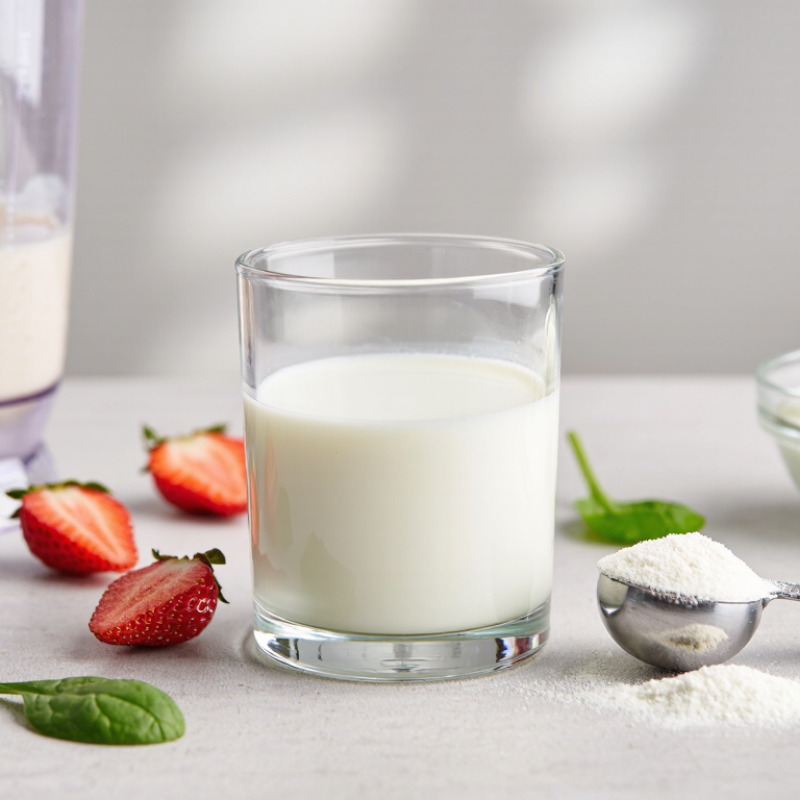
Hydrolyzed bovine collagen powder is a protein supplement made from cattle-derived collagen. Manufacturers use enzymes to break the collagen into smaller peptides. These peptides dissolve more easily in water, coffee, or smoothies. The powder usually comes from bovine hides, bones, or connective tissues. It is not the same as a complete dietary protein because it lacks enough of some essential amino acids. In practical terms, it adds collagen peptides to the diet, not a replacement for eggs, beans, fish, or meat.
People commonly use it to support skin elasticity, hydration, nail strength, or joint comfort. Research suggests possible benefits, but results vary between individuals and products. Some users notice less knee discomfort after several weeks. Others notice no visible change. I would avoid promising thicker hair or dramatic skin renewal. Those claims often go beyond the evidence. Collagen also works best alongside adequate vitamin C, balanced meals, sleep, and regular movement.
Tips: Check the ingredient list and serving size. Choose products with clear sourcing and independent quality testing when available. Stir the powder into a warm drink, but avoid very hot temperatures if the texture becomes unpleasant. People with beef allergies, pregnancy concerns, kidney conditions, or regular medication use should ask a qualified healthcare professional first. Start with a small serving if digestive discomfort is a concern. Listen to your body.
What Is Hydrolyzed Bovine Collagen Powder Used For?
How Is Hydrolyzed Bovine Collagen Powder Produced?
Hydrolyzed bovine collagen powder is commonly used in drinks, nutrition powders, and food formulations. Hydrolysis breaks collagen into smaller peptides. These peptides disperse more easily in liquids. However, they are not a guaranteed treatment for skin, joints, or other health concerns.
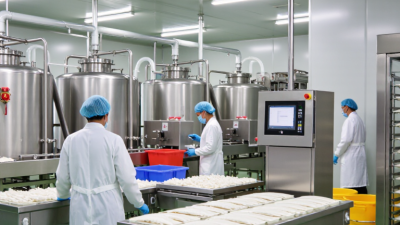
Production usually begins with carefully selected bovine hides or bones. Suppliers should document the animal source and processing conditions. Workers remove fat, tissue, and surface impurities. Bones may undergo demineralization before collagen extraction. The cleaned material is treated with controlled heat and water. This produces gelatin-rich liquid.
Then comes the key step. Specific enzymes divide the collagen chains into shorter peptides. The liquid passes through filters to remove unwanted particles. It is concentrated under controlled conditions. Spray drying turns the concentrate into a fine powder. Temperature control matters here. Excessive heat can affect color, flavor, and functional performance.
Quality testing should examine moisture, protein content, microbiological safety, and unwanted residues. Reliable facilities also monitor heavy metals and maintain batch records. A powder can look clean and still require serious verification. This is where labels alone fall short. Different raw materials and enzyme methods create different peptide profiles. Even experienced producers cannot promise identical results in every batch. Consumers should consider testing evidence, allergen information, and professional dietary advice before regular use.
| Category | Application or Production Stage | Description | Relevant Facts and Considerations |
|---|---|---|---|
| Common Uses | Dietary protein supplementation | Used as a source of collagen-derived peptides in powders, sachets, capsules, and ready-to-mix products. | Hydrolyzed collagen is broken into smaller peptides, which generally disperse more easily than intact collagen. It should not be treated as a complete dietary protein because it is relatively low in some essential amino acids, including tryptophan. |
| Food and beverage formulation | Added to beverages, nutrition bars, soups, powdered mixes, dairy-style products, and other formulated foods. | Its neutral-to-mild taste and water dispersibility can support convenient formulation. Solubility, clarity, and sensory properties vary with peptide size, processing conditions, and the final product formula. | |
| Skin and beauty nutrition products | Included in products marketed to support skin hydration, elasticity, and the appearance of skin. | Human studies have reported potential benefits from oral collagen peptide intake, but results depend on the dose, duration, participant characteristics, and product composition. Collagen is not a substitute for medical treatment. | |
| Joint and connective-tissue nutrition | Used in nutritional products intended to complement diets for people interested in joint, tendon, ligament, or connective-tissue support. | Collagen peptides provide amino acids such as glycine, proline, and hydroxyproline. Evidence for joint-related outcomes is still product- and study-dependent, so claims should be supported by appropriate human research. | |
| Texture and functionality | Used to contribute protein content and body to selected foods and beverages without the gel strength of unhydrolyzed gelatin. | Unlike gelatin, hydrolyzed collagen normally does not form a firm gel under typical food-use conditions because the protein chains have been enzymatically shortened. | |
| Research and formulation development | Used as a standardized collagen-peptide material in laboratory, food-science, and nutrition-product development. | Analytical testing may evaluate peptide-size distribution, amino-acid composition, moisture, microbiological quality, heavy metals, and other specification requirements. | |
| Production Process | 1. Raw-material selection | Collagen is commonly sourced from bovine hide, skin, connective tissue, or bones obtained from inspected animal-processing streams. | Source selection affects traceability, regulatory status, allergen statements, religious or cultural suitability, and the final composition of the material. |
| 2. Cleaning and pretreatment | Raw materials are mechanically cleaned and may undergo processes that remove fat, non-collagenous proteins, minerals, and other unwanted substances. | Pretreatment helps improve purity and prepares the collagen structure for controlled extraction. The exact method depends on whether the source is hide, skin, or bone. | |
| 3. Collagen extraction | The prepared material is treated with controlled water, acid, alkaline, or combined extraction steps to release collagen-rich fractions. | Extraction conditions influence yield, purity, molecular structure, color, and the functional properties of the resulting collagen solution. | |
| 4. Enzymatic hydrolysis | Food-grade enzymes cleave the long collagen protein chains into shorter soluble peptides. | This is the defining step that produces hydrolyzed collagen, also called collagen peptides. Enzyme type, reaction time, pH, and temperature help determine the peptide-size distribution. | |
| 5. Enzyme inactivation | After the desired degree of hydrolysis is reached, processing conditions are adjusted to stop or limit further enzymatic activity. | Careful control helps maintain consistent peptide characteristics and reduces unwanted changes in flavor, color, or functionality. | |
| 6. Filtration and purification | The hydrolyzed liquid is filtered and may undergo clarification, membrane separation, or other purification steps. | These operations remove insoluble particles and help control ash, color, residual impurities, and the distribution of peptide sizes. | |
| 7. Concentration and drying | Water is removed through concentration followed by a drying process, commonly spray drying, to create a free-flowing powder. | Drying conditions affect moisture level, bulk density, dispersibility, color, and storage stability. The finished powder is normally packaged in moisture-protective materials. | |
| 8. Quality control and release | Finished batches are tested against defined specifications before release for food or nutritional use. | Typical checks may include identity, protein content, moisture, solubility, peptide-size profile, microbiological limits, heavy metals, and traceability documentation. |
Important note: Hydrolyzed bovine collagen powder is a food or nutritional ingredient rather than a complete protein or a medicine. Product characteristics and permitted uses can vary according to the raw material, manufacturing process, local regulations, and quality specifications.
Hydrolyzed bovine collagen powder is mainly used as a convenient protein supplement. Enzymes break collagen into smaller peptides, making it easier to mix into water, coffee, yogurt, or smoothies. Its amino acids, including glycine and proline, support the body’s natural collagen production. A 2024 Grand View Research report estimated the global collagen market at approximately USD 9 billion in 2023, reflecting strong consumer interest in beauty, mobility, and functional nutrition products.
Potential benefits are most often linked to skin and joint health. A 2023 systematic review in the International Journal of Dermatology examined 26 studies and reported improvements in skin hydration and elasticity among many participants using oral collagen peptides. Other clinical research suggests that collagen peptides may reduce exercise-related joint discomfort, especially when combined with regular resistance training. Results vary.
The evidence is promising, not perfect. Collagen is not a complete protein because it contains little tryptophan, so it should not replace varied dietary protein. Some users notice smoother skin or easier movement after several weeks, while others notice very little. The powder cannot repair every tendon or erase wrinkles. Product quality, dosage, diet, age, and activity level all matter. People with bovine allergies should check the source carefully. A healthcare professional can help assess suitability, particularly during pregnancy or when kidney-related dietary restrictions apply.
Hydrolyzed bovine collagen powder is made from collagen broken into smaller peptides. This process helps the digestive system handle it more easily. After swallowing, stomach and intestinal enzymes break many peptides into amino acids and short peptide fragments. These compounds cross the intestinal lining and enter the bloodstream.
The body does not send collagen powder directly to the skin or joints. It uses the absorbed materials wherever they are needed. Some peptides may act as signals that encourage connective-tissue cells to produce collagen. Amino acids, including glycine and proline, can support this process. Vitamin C also helps normal collagen formation. Still, the body’s response depends on age, diet, health, and activity.
Results are not instant. They may appear as modest changes in skin moisture, elasticity, or exercise-related joint comfort after regular use. Evidence is promising, but not perfectly consistent. I would not describe collagen as a cure or a replacement for medical treatment. Protein quality, serving size, and study design can affect the findings. The powder is often mixed into water, coffee, or yogurt, although heat, taste, and texture can influence daily use. Some people notice benefits. Others notice very little. That uncertainty matters. Individuals with allergies, kidney concerns, or ongoing medical conditions should ask a qualified healthcare professional before using it.
Hydrolyzed bovine collagen powder contains smaller peptides that mix easily in water, coffee, or smoothies. People commonly use it to support skin elasticity, joint comfort, and protein intake. A 2021 systematic review in Nutrients found that oral collagen studies often reported modest skin hydration and elasticity improvements. However, study sizes were usually small. Results can vary.
Safety deserves closer attention. Check the source, allergen statement, batch number, and independent testing details before purchase. Bovine collagen is unsuitable for people with relevant beef allergies. It may also cause mild digestive symptoms, such as bloating or an unpleasant aftertaste. Start with the serving size on the label, not a large scoop. More is not automatically better.
The National Academies’ Dietary Reference Intakes set adult protein needs near 0.8 grams per kilogram of body weight daily. Collagen should supplement meals, not replace complete proteins, because it lacks some essential amino acids. People with kidney disease, pregnancy, or medically restricted diets should ask a qualified clinician first. The U.S. Food and Drug Administration does not pre-approve dietary supplements for effectiveness before sale. That matters. Product quality can differ, and long-term collagen data remain limited. Even promising evidence needs careful interpretation, especially when results come from manufacturer-funded trials.