
Choosing a reliable Fucoidan supplier requires more than comparing prices or reading polished product pages. The market is expanding, but its data remains inconsistent. Grand View Research and Future Market Insights both forecast continued growth, although their market values and projections differ. That gap deserves attention. It shows why buyers should verify evidence instead of accepting every commercial claim.
Fucoidan is not one standardized ingredient. Dr. Alison M. Fitton, a recognized fucoidan researcher, describes it as “a complex, sulfated polysaccharide.” Its source species, harvest season, extraction method, sulfate content, molecular weight, and purity can all influence the final material. A reliable supplier should disclose these details clearly. Ask for batch-specific certificates of analysis, heavy-metal testing, microbiological results, allergen information, and validated testing methods. Generic certificates are not enough.
Traceability matters.
Look for documented seaweed origins, controlled processing records, and stable batch specifications. Suppliers should explain whether the material comes from Undaria pinnatifida, Fucus vesiculosus, or another species. They should also distinguish laboratory findings from permitted product claims. Regulatory expectations vary by country, so responsible suppliers avoid promising disease treatment or guaranteed outcomes.
One weakness remains: even experienced buyers may overvalue a high purity number. Purity alone does not describe structural quality. A supplier may provide impressive percentages while offering limited evidence about identity or consistency. Ask difficult questions. Request independent verification where possible. Review the answers, not only the brochure. Reliable sourcing begins when marketing language meets measurable evidence.

A reliable supplier should define fucoidan specifications before discussing price. Start with the seaweed species, such as Undaria pinnatifida or Fucus vesiculosus. Different species produce different structures and biological profiles. The harvest location also matters. Seasonal changes can affect polysaccharide content and mineral residues. Ask for the scientific name, plant part, origin, and traceability records.
Extraction method deserves close attention. Hot-water extraction is commonly used and may preserve a broader polysaccharide profile. Acid or enzyme-assisted methods can change sulfate groups and molecular structure. Neither method is automatically better. The intended application should guide the choice. Purity must also be clearly defined. “High purity” is too vague. Request testing for fucoidan content, ash, moisture, heavy metals, and microbial limits. A current certificate of analysis should match the exact batch, not a general product sample.
Tips: Ask how molecular weight was measured. Results from SEC, GPC, or light-scattering methods may not be directly comparable. Request the testing conditions and distribution range, not only one average number. Compare retain samples when possible. A clean-looking certificate can still leave important questions unanswered. I would also review several batches, because consistency is often less impressive than a single excellent result. Supplier documents may be complete, yet the specification itself may still need refinement.
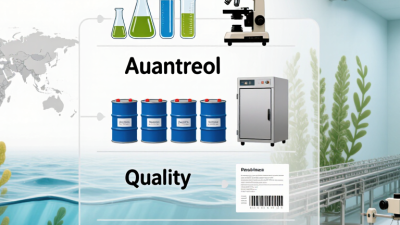
A reliable supplier should provide a recent certificate of analysis for each production batch. The document should identify the testing laboratory, sample number, test date, and analytical method. Do not accept “high purity” as a complete specification. Ask how fucoidan content was measured, because different assays may produce different results. Numbers need context.
Sulfate percentage also requires careful review. The supplier should state whether the value represents total sulfate, sulfate groups, or a calculated estimate. Check the testing method, such as ion chromatography or another validated procedure. Compare the result with the product specification and batch record. Small differences may reflect testing variation, but unexplained changes deserve questions. Ask for the method.
Molecular-weight data can reveal important differences between materials. Request the average molecular weight, distribution range, testing technique, and calibration standard. SEC or GPC results should include enough detail for technical comparison. A single number may hide a broad distribution. That matters when processing performance or formulation consistency is important.
In supplier reviews, I once focused too heavily on the headline purity figure and overlooked incomplete molecular-weight data. That was a useful correction.
A dependable supplier should answer technical questions clearly, provide traceable records, and explain limitations without making exaggerated promises. Independent testing of a retained sample can add confidence before a larger purchase.
How to Choose a Reliable Fucoidan Supplier?
Check Heavy Metals and Microbial Results Against Market Limits
Fucoidan comes from marine materials, so contamination control deserves careful attention. Ask for a batch-specific certificate of analysis, not a generic product sheet. The report should identify arsenic, lead, cadmium, and mercury results clearly. Total arsenic alone may hide different chemical forms. That detail matters.
Compare every result with the limits in your target market. Standards can differ between countries and product categories. A supplier should explain the selected limits and testing method. Check the laboratory’s accreditation, test date, sample number, and detection limits. A result marked “not detected” is incomplete without a detection threshold.
Microbial data also needs practical review. Look for total aerobic count, yeast and mold, coliforms, and relevant pathogens. The report should match the exact lot shipped to you. Request storage conditions and retest rules when results approach a limit. Small gaps matter. A polished certificate can still leave questions.
During supplier audits, I would compare the certificate with the production lot, seal number, and delivery records. This simple check often reveals mismatched paperwork. I once assumed a recent report covered all inventory; that assumption was weak. Suppliers should welcome independent verification, especially when results sit close to market limits. A retained sample can support later investigation if the numbers change.
| Test Category | Quality Parameter | Unit | Market or Regulatory Benchmark | Recommended Supplier Evidence | Evaluation |
|---|---|---|---|---|---|
| Heavy Metals | Lead (Pb) | mg/kg | ≤ 3.0 | Batch-specific COA showing the lot number, test date, detection limit, and an ICP-MS or ICP-OES method. | Pass if ≤ limit |
| Heavy Metals | Cadmium (Cd) | mg/kg | ≤ 3.0 | Batch-specific result with a validated elemental-analysis method and laboratory identification. | Pass if ≤ limit |
| Heavy Metals | Mercury (Hg) | mg/kg | ≤ 0.10 | Mercury-specific analysis by ICP-MS, cold-vapor AAS, or an equivalent validated method. | Pass if ≤ limit |
| Heavy Metals | Inorganic arsenic [As(III) + As(V)] | mg/kg | ≤ 1.0* | Request arsenic speciation rather than relying only on total arsenic, because marine ingredients may contain organic arsenic compounds. | Pass if ≤ limit |
| Microbiology | Total Aerobic Microbial Count (TAMC) | CFU/g | ≤ 10,000 | COA should state the sample preparation, incubation conditions, test method, and result as CFU/g. | Pass if ≤ limit |
| Microbiology | Total Yeast and Mold Count (TYMC) | CFU/g | ≤ 100 | Use a validated yeast-and-mold method suitable for dry botanical or marine extracts. | Pass if ≤ limit |
| Microbiology | Escherichia coli | Presence/absence | Absent in 1 g | Request a method-specific result, not a statement such as “microbiologically safe.” | Must be absent |
| Microbiology | Salmonella spp. | Presence/absence | Absent in 25 g | Require an enrichment-based test with the tested sample size clearly identified. | Must be absent |
| Microbiology | Bile-Tolerant Gram-Negative Bacteria | CFU/g | ≤ 100 | Useful as an additional hygiene indicator when the product is intended for oral consumption. | Pass if ≤ limit |
| Supplier Verification | Laboratory competence | Document check | ISO/IEC 17025 preferred | Confirm the laboratory’s accreditation scope covers heavy metals and microbiological testing. | Verify scope |
| Supplier Verification | COA traceability | Document check | One COA per production lot | The COA lot number, production date, sample date, product description, and shipment lot should match. | Reject mismatches |
A reliable fucoidan supplier should provide current GMP, HACCP, and ISO 22000 certificates. Check the certificate numbers, issuing bodies, expiration dates, and certified production sites. The scope must cover the actual fucoidan process, not merely general food handling. A certificate with the wrong facility address deserves immediate questions. Small details matter.
Request recent third-party audit records, including findings and corrective action reports. Do not accept only a polished audit score. Review whether auditors identified gaps in sanitation, allergen control, traceability, or employee training. More importantly, examine how quickly the supplier corrected those gaps. Paperwork can look perfect. Operations are less predictable.
Ask for batch-level testing, raw material origin, production records, and retained-sample procedures. A dependable supplier should explain how each lot is identified from incoming material to final shipment. Independent tests may cover identity, purity, heavy metals, microbiological limits, and other agreed specifications. Requirements vary by market, so confirm them with qualified regulatory professionals. Do not rely on assumptions. During a factory visit, observe cleaning logs, storage conditions, and staff practices. A neat room is encouraging, but it is not proof. I would also compare documents against real batch records, because inconsistencies can be easy to miss. Supplier selection is not a one-time decision; performance should be reviewed regularly.
How to Choose a Reliable Fucoidan Supplier?
A reliable fucoidan supplier should provide a traceable Certificate of Analysis for every batch. Check the batch number, production date, testing laboratory, and analytical methods. The COA should identify fucoidan content, sulfate levels, moisture, heavy metals, and microbiological results. Ask whether the laboratory uses validated methods and keeps original test records. A polished document is not enough.
Batch consistency deserves close attention. Compare several recent COAs, not just one favorable report. Look for stable results in molecular weight, purity, color, odor, and solubility. In practical evaluations, small differences can affect formulation performance. Request retention samples and review the supplier’s change-control procedure. Even good suppliers may show variation. That deserves discussion, not automatic rejection.
Stability evidence should include storage conditions, packaging materials, and both real-time and accelerated testing. A sealed pouch may protect powder from humidity, but only if the warehouse controls temperature and moisture. Ask for recommended storage limits, retest periods, and studies after opening. Supplier capacity also matters. Review production records, quality staffing, equipment maintenance, and realistic lead times. Can the supplier support a larger order without changing raw materials or processing conditions? Visit the facility when possible. Photos are useful, but limited. During qualification, record unanswered questions and revisit them before approval.
Compare suppliers by checking whether they can provide complete, verifiable evidence across four critical areas: COA traceability, batch consistency, stability, and supply capacity.
How to read the chart: COA traceability should cover lot identification, test date, analytical method, and laboratory details. Batch consistency should include assay, purity or contaminant limits, and key physical specifications. Stability review should cover real-time data, accelerated data, and packaging conditions. Capacity checks should examine quality-system controls, production capability, lead-time reliability, and contingency planning.