What is Fucoidan and How Does it Benefit Your Health?
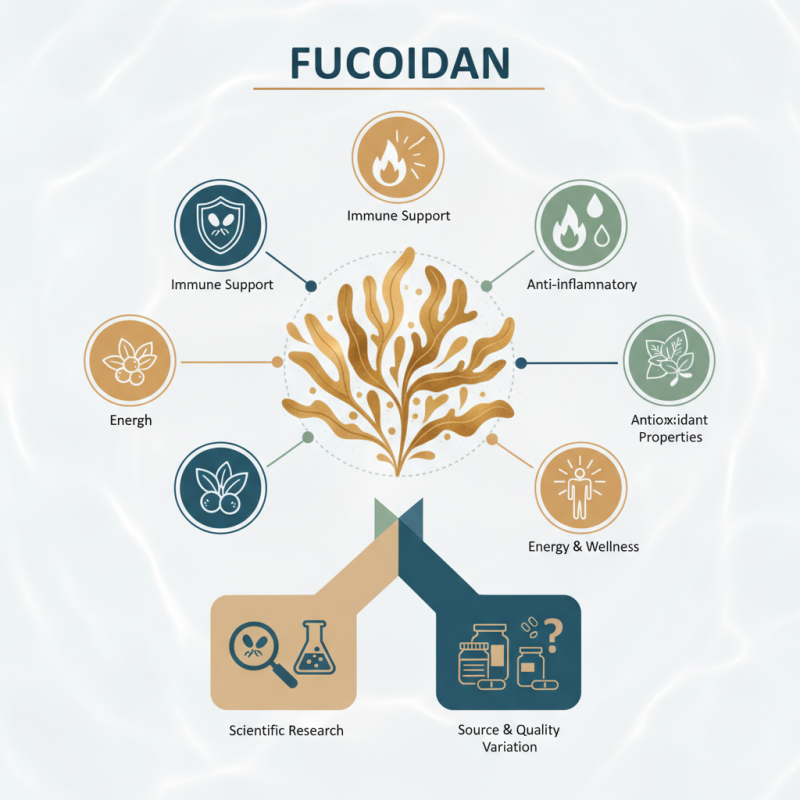
Fucoidan is a fascinating compound derived from brown seaweed. It has gained attention for its potential health benefits. Dr. Emily Chen, a leading expert in marine biochemistry, states, "Fucoidan shows promise in enhancing immune function." Her insights highlight the growing interest in this unique substance.
Many studies suggest that Fucoidan may support overall wellness. It is thought to have anti-inflammatory and antioxidant properties. Users often report feeling more energetic and healthier after incorporating it into their diets. However, scientific research is still evolving. The precise mechanisms of action are not fully understood.
Moreover, the source and quality of Fucoidan can vary. Not all supplements are created equal. Consumers should be cautious and well-informed when selecting products. The appeal of Fucoidan lies in its natural origins and potential. As we explore its benefits, a balanced approach is vital. Understanding both its advantages and limitations is essential.
What is Fucoidan?
Fucoidan is a natural compound found in various types of seaweed. It is a sulfated polysaccharide, primarily sourced from brown algae. This substance has gained attention for its potential health benefits. Many are curious about what makes fucoidan unique.
Research suggests fucoidan may support immune function. It could help the body fight infections and may possess anti-inflammatory properties. Some studies indicate it may even have anti-cancer effects. However, more research is necessary, and results can vary. Not everyone may experience these benefits equally.
Adding fucoidan to one’s diet can be as simple as incorporating seaweed into meals. Sushi, salads, and soups often contain this ingredient. But relying solely on it for health is not wise. A balanced diet and lifestyle choices play crucial roles too. Fucoidan could be part of the equation, yet it's essential to keep a broader perspective.
Sources of Fucoidan in Nature
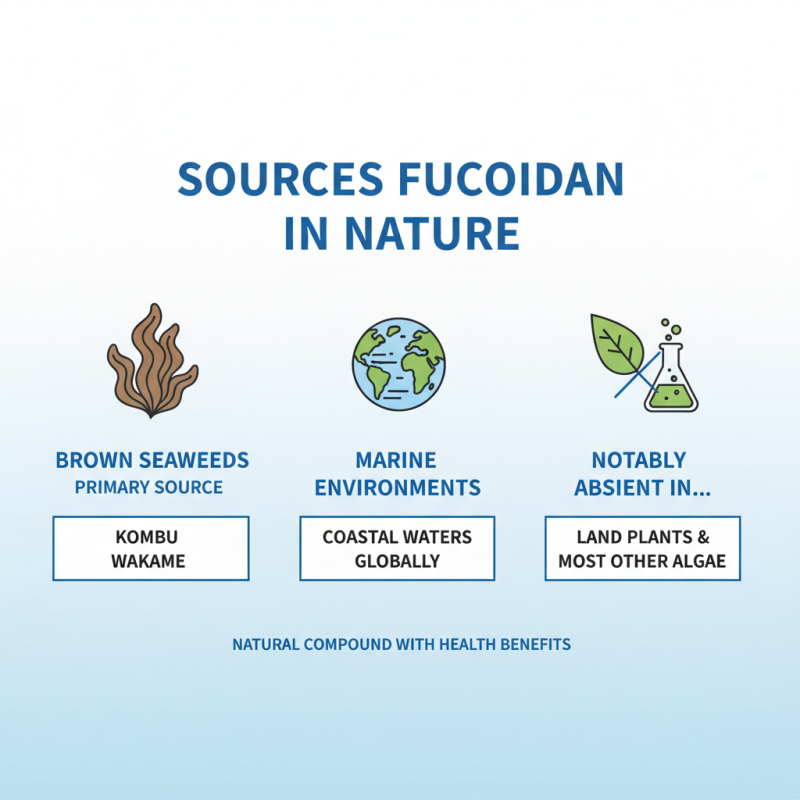
Fucoidan is a natural compound found primarily in certain types of seaweed. It is gaining attention for its health benefits. But where can you find fucoidan in nature? The most notable sources are brown seaweeds like kombu and wakame. These plants grow in various marine environments, thriving along coastlines.
In addition to seaweeds, fucoidan can also be extracted from some types of kelp. Kelp forests are rich ecosystems and provide an abundant source of this compound. Marine life surrounding these habitats depends on these plants for sustenance. Interestingly, the health benefits of fucoidan often come from well-prepared seaweed dishes, consumed in many cultures.
While exploring fucoidan’s sources, consider the environmental impact of harvesting seaweed. Sustainable practices are essential to preserve marine habitats. Not all seaweed farms operate responsibly. It’s crucial to reflect on our choices and their effects on both health and nature. Fucoidan offers potential benefits, but it’s important to source it ethically.
Health Benefits of Fucoidan
Fucoidan is a natural compound found in brown seaweeds. It is gaining attention for its potential health benefits. Many people are incorporating it into their diets, but understanding its effects is crucial.
Health benefits of fucoidan may include immune support. Research suggests it can enhance immune function, helping the body fight infections. Additionally, fucoidan has been linked to improved digestive health. It may help protect the gut lining and promote a balanced microbiome. These aspects can be vital for overall well-being.
**Tip:** Consider adding fucoidan-rich foods like seaweed to your meals. Start with small amounts to see how your body reacts.
Another noteworthy aspect is its potential anti-inflammatory properties. Fucoidan might help reduce inflammation, which is linked to many chronic diseases. Some studies hint at its role in preventing certain health issues, but more research is needed.
**Tip:** If you are curious about fucoidan, look for supplements or natural sources. However, always consult a healthcare professional before starting anything new. It’s important to make informed choices.
Health Benefits of Fucoidan
Mechanisms of Action: How Fucoidan Works
Fucoidan is a bioactive compound found in brown seaweed. It has gained attention for its potential health benefits. But how does it actually work? Understanding the mechanisms of action reveals a lot.
Fucoidan interacts with various cell types in the body. It promotes immune response by activating immune cells. This may enhance the body’s defense against infections. Some studies suggest that fucoidan can support healthy inflammation levels. This is important for overall wellness. Such effects can contribute to a balanced inflammatory response, which many people struggle with.
Additionally, fucoidan may influence cell signaling pathways. This can lead to apoptosis in unhealthy cells. In simple terms, it helps the body eliminate damaged or aged cells more effectively. While research is still ongoing, these processes show promise. However, individual reactions can vary widely. What works for one person may not work for another. These complexities remind us that health is not one-size-fits-all. Exploring fucoidan's benefits can be exciting, yet it requires careful consideration.
Potential Side Effects and Considerations
Fucoidan is a complex polysaccharide found in various types of seaweeds. While it offers potential health benefits, users should be cautious about its side effects. Some studies suggest that high doses of fucoidan may lead to gastrointestinal issues such as diarrhea or nausea. The exact mechanism is not completely understood but could be linked to its effect on gut flora.
Emerging research indicates that fucoidan may alter blood coagulation. For individuals on anticoagulant medications, this could pose a risk. According to a study in the "Journal of Nutritional Science," some users reported increased bruising and prolonged bleeding. It’s essential for users to consult healthcare professionals before starting fucoidan, especially those with pre-existing conditions.
Another consideration involves allergies. Those with shellfish allergies may experience reactions, given some sources of fucoidan come from marine organisms. Cases have been documented in the "International Journal of Food Science." Regular monitoring is suggested if you choose to include fucoidan in your diet. Balancing potential benefits against these risks is crucial for making informed decisions regarding its use.
What is Fucoidan and How Does it Benefit Your Health?
| Health Benefits |
Description |
Potential Side Effects |
| Immune Support |
Fucoidan may enhance the immune system response, helping the body fight off infections. |
Mild digestive disturbances |
| Anti-Inflammatory |
It has properties that may reduce inflammation in the body. |
Allergic reactions in sensitive individuals |
| Antioxidant Effects |
Fucoidan can neutralize free radicals, promoting cellular health. |
May interact with blood-thinning medications |
| Weight Management |
It might help in controlling weight by promoting fat metabolism. |
Gastrointestinal discomfort |
| Skin Health |
Fucoidan may improve skin hydration and boost healing processes. |
Skin irritation in some cases |