What is Fish Oil DHA and its Health Benefits?
Fish Oil DHA is gaining attention in the health community due to its numerous benefits. Research indicates that omega-3 fatty acids, particularly DHA, can significantly improve cardiovascular health. A study published in the American Journal of Clinical Nutrition highlights that regular consumption of Fish Oil DHA may reduce triglyceride levels by up to 30%.
Furthermore, DHA plays a crucial role in brain health. The World Health Organization recommends a daily intake of omega-3 for optimal cognitive function. Many people, however, may not achieve these recommended levels through diet alone. Fish Oil DHA supplements offer a practical solution. They ensure that individuals receive adequate amounts of this essential nutrient.
While the advantages of Fish Oil DHA are widely recognized, some skepticism remains. The quality and purity of supplements can vary. Faulty manufacturing processes may lead to contamination. Consumers must be cautious when selecting products. Nevertheless, the potential health benefits are undeniable. As more research emerges, the conversation about Fish Oil DHA and its role in health continues to evolve.

What is Fish Oil DHA?
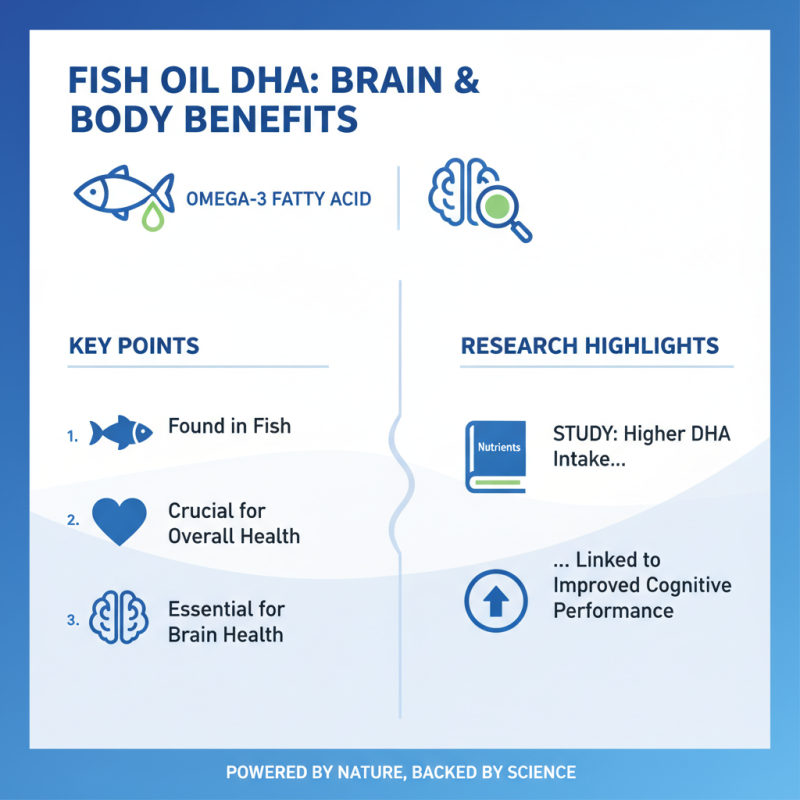
Fish oil DHA, short for docosahexaenoic acid, is a key omega-3 fatty acid found in fish. This essential fat is crucial for maintaining overall health. Research indicates that DHA plays a vital role in brain health. A study in the journal "Nutrients" found a strong link between higher DHA intake and improved cognitive performance.
DHA is also beneficial for heart health. Data from the American Heart Association highlights that regular consumption of omega-3 fatty acids can lower triglyceride levels. This reduction can lead to a decreased risk of heart disease. However, not everyone consumes enough DHA through diet. Many people struggle to eat the recommended two servings of fatty fish weekly.
In addition to cognitive and cardiovascular benefits, DHA may support eye health. The retina contains high levels of DHA. A lack of this fatty acid can negatively impact vision. Contrarily, excessive intake of fish oil can lead to adverse effects like bleeding issues. Balance is crucial. Understanding individual dietary needs is essential for maximizing the health benefits of fish oil DHA.
Sources of Fish Oil DHA
Fish oil is a vital source of DHA (docosahexaenoic acid), an omega-3 fatty acid crucial for brain and heart health. Dieticians often recommend incorporating fish rich in DHA. Fatty fish, such as salmon, mackerel, and sardines, are popular choices. These fish provide a concentrated form of DHA and are easy to prepare.
According to the Global Organization for EPA and DHA Omega-3s, eating two servings of fatty fish each week can provide adequate DHA. Despite this, many people do not consume enough fish. A survey found that only 20% of Americans meet these recommended levels. This gap indicates a need for alternative sources of DHA.
For those who don't eat fish regularly, algae supplements offer a plant-based source of DHA. A recent study highlighted that algae-based DHA can elevate blood levels similarly to fish oil. This is crucial for vegetarians or anyone with dietary restrictions. Incorporating various sources ensures a balanced intake of omega-3 fatty acids. While DHA is beneficial, the importance of a varied diet cannot be overstated. Relying solely on one source may lead to nutrient deficiencies. Therefore, it's essential to evaluate dietary habits regularly.
Health Benefits of Fish Oil DHA
Fish oil DHA, or docosahexaenoic acid, is a type of omega-3 fatty acid beneficial for heart and brain health. Studies indicate that regular intake of DHA can improve cognitive function. A report by the Global Organization for EPA and DHA Omega-3s suggests that DHA plays a crucial role in brain development. It constitutes a significant portion of brain lipids, making it essential for brain health.
Research shows that fish oil DHA may reduce inflammation. This can lead to lower risks of chronic diseases. A study in the Journal of Nutrition found a 25% reduction in heart disease risk linked to consistent DHA consumption. Its anti-inflammatory properties can also help manage conditions like arthritis and heart disease. Yet, some individuals report digestive discomfort. Finding the right balance is key.
In terms of mental health, DHA has been associated with improved mood and reduced anxiety. A review in the American Journal of Psychiatry highlighted its potential to alleviate symptoms of depression. While the body can convert ALA to DHA, relying solely on plant sources may not provide sufficient amounts. This detail raises questions about dietary choices and supplementation. Understanding individual needs is essential for optimizing health benefits.
Recommended Dosage and Intake
DHA, a key component of fish oil, plays a vital role in brain health. Recommended dietary guidelines suggest that adults should aim for at least 250-500 mg of combined EPA and DHA per day. This dosage can help maintain cognitive functions and support heart health.
Studies indicate that higher doses, around 1,000 mg daily, may be beneficial for specific health conditions, such as cardiovascular disease. However, excessive intake can lead to potential side effects. Some report gastrointestinal issues, while others worry about blood thinning. It's essential to find a balance.
To source DHA, fatty fish like salmon and mackerel are ideal. However, for those who may not consume fish regularly, supplements can be an option. Regular intake can enhance mood and support overall well-being. It's crucial to consult with a healthcare professional before starting any supplementation, especially if you have underlying medical conditions.
Potential Side Effects and Considerations
Fish oil, particularly its component DHA, offers various health benefits, but it’s essential to be aware of potential side effects. Some individuals may experience digestive issues, such as nausea or diarrhea. This can be more pronounced with higher doses. Others might notice a fishy aftertaste or bad breath after consumption. It’s not unusual to have these reactions, and they can vary from person to person.
When integrating fish oil DHA into your routine, consider starting with a lower dose. Gradually increase it to see how your body reacts. This way, you can monitor any side effects. If you have allergies to fish or seafood, caution is necessary. The risk of allergic reactions could overshadow the benefits.
Always consult a healthcare professional before making changes to your diet. Some people might need to avoid fish oil, especially if they take blood-thinning medications. It's important to reflect on how your body feels during supplementation. Adjustments may be needed based on personal experiences and health goals. Be mindful and listen to your body’s signals along the way.
Health Benefits of Fish Oil DHA