Why Choose Chitosan Wholesale for Your Business Needs?
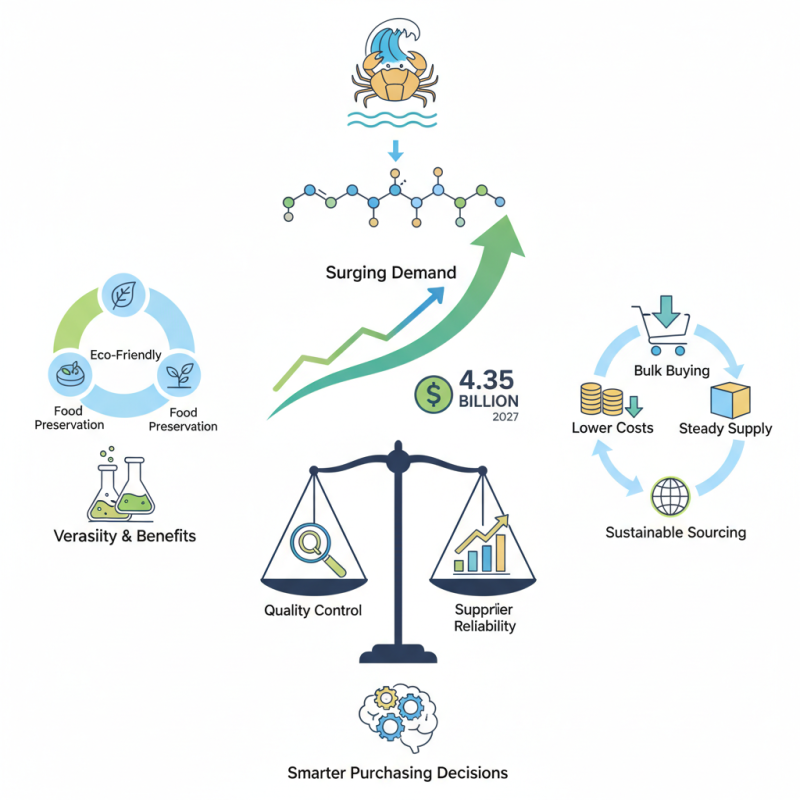
In recent years, the demand for eco-friendly products has surged. Chitosan, a natural biopolymer derived from chitin, plays a crucial role in this trend. Experts predict that the global chitosan market will reach $4.35 billion by 2027. Companies are now exploring Chitosan Wholesale as a viable option for sustainable sourcing.
Dr. Emily Carter, a leading expert in biopolymers, states, "Investing in Chitosan Wholesale can significantly enhance product lines." This reflects the growing acknowledgment of chitosan’s versatility and benefits. From food preservation to agriculture, its applications are vast. Choosing to buy in bulk can lower costs and ensure a steady supply.
However, businesses must navigate potential challenges. Quality control and supplier reliability are crucial. Not every chitosan source meets the required standards. A thoughtful approach to Chitosan Wholesale ensures quality while tapping into this growing market. Understanding these dynamics can lead to smarter purchasing decisions.
Benefits of Sourcing Chitosan Wholesale for Cost Efficiency
When considering chitosan for your business, sourcing it wholesale can lead to significant cost efficiency. Buying in bulk often lowers the price per unit. This allows businesses to allocate their budget more effectively. Additionally, ordering larger quantities may enable better negotiation with suppliers. Such savings can boost overall profit margins.
Tips: Always compare prices from multiple suppliers. Sometimes, a lower upfront cost might mean hidden fees. Transparency is crucial in wholesale transactions. Make sure to verify product quality before placing a large order.
Sourcing chitosan wholesale also ensures a stable supply. Consistency in tooling can avoid production delays. Without regular stock, businesses may face halted operations. Planning for demand can prevent this issue. However, keep in mind the risk of overstocking. Excess inventory can lead to unnecessary costs. Balance is key; achieving it requires careful inventory management.
Cost Efficiency of Sourcing Chitosan Wholesale
Applications of Chitosan in Various Industries
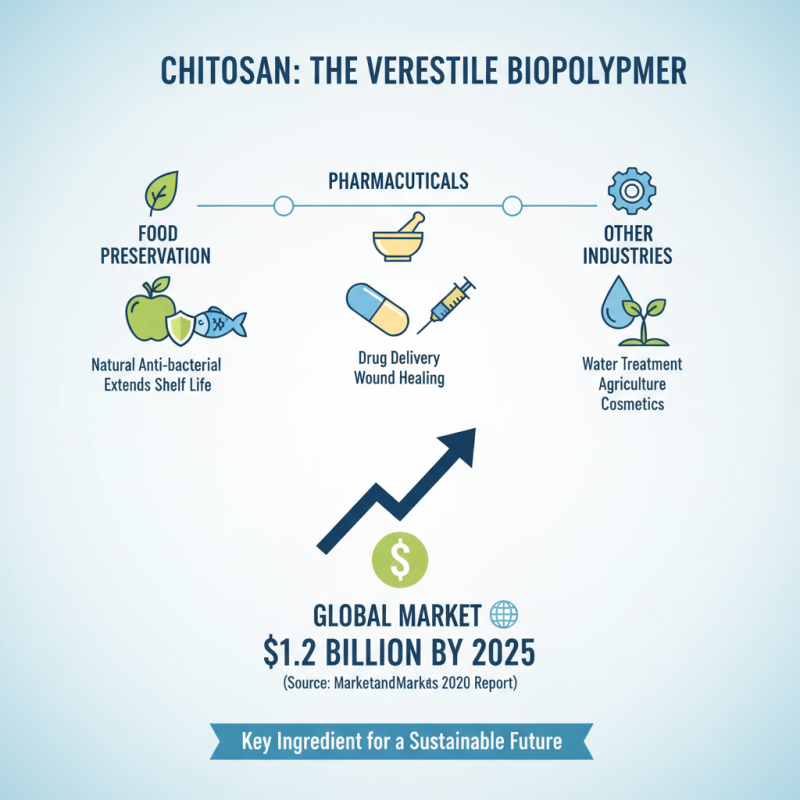
Chitosan is gaining traction across various industries. Its applications range from food preservation to pharmaceuticals. The versatility of chitosan makes it a valuable ingredient. In the food sector, chitosan is used as a natural preservative. It helps extend shelf life by inhibiting bacterial growth. According to a 2020 report by MarketsandMarkets, the global chitosan market is projected to reach $1.2 billion by 2025. This growth reflects its rising importance in food safety.
In agriculture, chitosan plays a vital role. It acts as a biopesticide and a soil enhancer. Research has shown that chitosan enhances plant growth and yields. A study published in the Journal of Agricultural and Food Chemistry found that crops treated with chitosan showed a 30% increase in productivity. However, its effectiveness can vary based on application methods. There is still much to explore in optimizing these processes.
Chitosan’s potential in the cosmetics industry should not be overlooked. It serves as a moisturizing agent and a thickener. It helps improve skin hydration and elasticity. However, the lack of consistent standards in formulations poses challenges. Many brands struggle with the right concentrations. These complications can affect product quality and performance in the market. As industries evolve, the demand for chitosan will likely continue to grow, but challenges remain.
Quality Assurance and Standards in Chitosan Supply
When considering chitosan wholesale, quality assurance is crucial. The right supplier ensures that their products meet industry standards. This guarantees you receive a reliable material. Chitosan quality can vary widely. You need consistency for your business.
Certifications are key indicators of quality. Look for suppliers with recognized certifications. This shows they adhere to strict manufacturing processes. Testing for impurities is also important. A good supplier conducts regular tests to ensure purity and efficacy.
However, not all suppliers offer the same level of transparency. Some may not provide adequate information about their quality control processes. This lack of clarity can lead to risks. It's essential to ask questions and verify their claims. Be proactive in seeking out details. Quality assurance isn’t just about the product; it involves building trust.
Why Choose Chitosan Wholesale for Your Business Needs? - Quality Assurance and Standards in Chitosan Supply
| Aspect |
Details |
| Source |
Derived from crustacean shells and fungi |
| Quality Standards |
ISO 9001, HACCP certified |
| Purity Level |
>= 90% Chitosan |
| Customization Options |
Particle size, viscosity, and more |
| Applications |
Food industry, pharmaceuticals, agriculture |
| Environmental Impact |
Biodegradable and non-toxic |
| Shelf Life |
2-3 years under proper storage |
| Wholesale Pricing |
Competitive pricing based on volume |
Environmental Impact and Sustainability of Chitosan Production
Chitosan production stands out for its environmentally friendly qualities. Derived from chitin in crustacean shells, it is biodegradable and non-toxic. Reports suggest that chitosan can reduce pollution levels significantly. Studies indicate that using chitosan in packaging can cut down on plastic waste by up to 50%. This shift towards sustainability is essential in our current climate crisis.
Moreover, the lifecycle of chitosan is intriguing. The production process generates minimal byproducts. In contrast to synthetic materials, chitosan has a lower carbon footprint. Research indicates that two-thirds less energy is required to produce chitosan compared to traditional polymers. However, sourcing raw materials sustainably remains a challenge. The reliance on marine resources poses ethical questions about overfishing and habitat destruction.
Chitosan also shows promise in water treatment. It's effective in removing heavy metals from wastewater, addressing a critical environmental issue. However, the scalability of these applications requires more research. Critics argue that while the benefits are evident, the production methods need refinement for broader adoption. This dialogue around chitosan emphasizes the need for continual improvement in sustainability efforts.
Tips for Selecting a Reliable Chitosan Wholesale Supplier
Choosing the right chitosan wholesale supplier is crucial for your business success. Start by researching potential suppliers thoroughly. Look for companies with a solid reputation in the industry.
Check online reviews and customer feedback. Sometimes, a shiny website doesn't guarantee quality.
Pay attention to the supplier's manufacturing practices. Ensure they follow proper quality control measures. Are their products tested for purity and effectiveness? These details matter. A small oversight could affect your product quality later.
Inquire about their sourcing methods. Sustainable sourcing often indicates reliability.
Communication is also key. A good supplier should be responsive and transparent. If they hesitate to answer your questions, this may be a red flag.
Never rush your decision. Take your time to evaluate multiple options. It's better to consider several suppliers than to settle too quickly. Make informed choices for the long-term success of your business.