How to Choose the Best Chondroitin Sulfate Supplier?
Choosing the best Chondroitin Sulfate Supplier is crucial for businesses in the health and wellness sector. The global demand for chondroitin sulfate is projected to grow significantly, with estimates reaching over $3 billion by 2025. As the market expands, competition intensifies. Many suppliers claim to offer the best quality, but how do you distinguish between them?
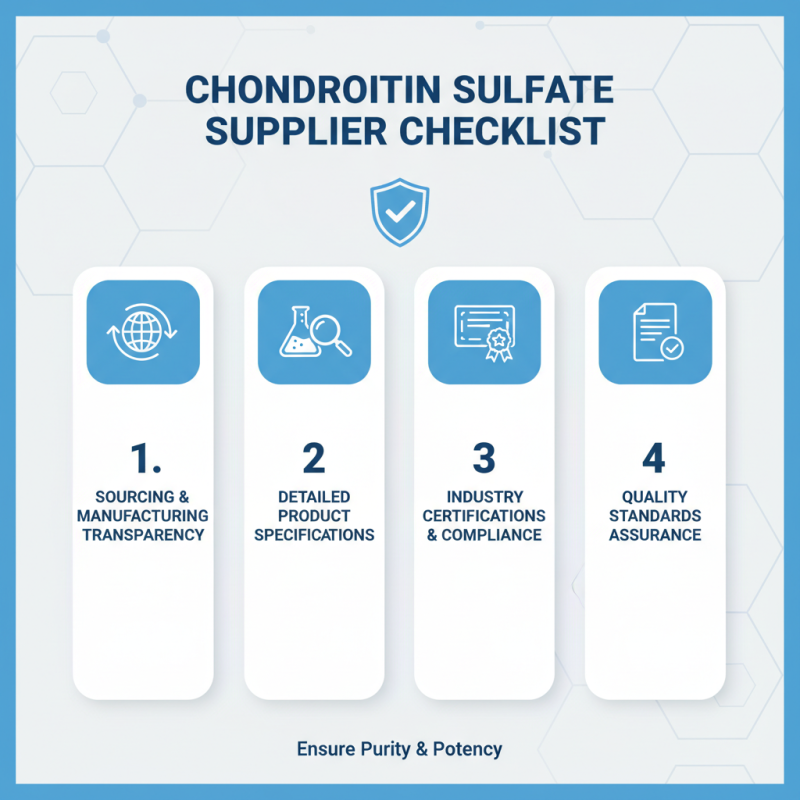
Quality assurance is paramount in sourcing. Look for suppliers who provide certificates of analysis, ensuring product purity. Transparency in sourcing practices is also vital. A study highlighted that nearly 30% of chondroitin sulfate products did not meet label claims. This statistic underscores the need for thorough evaluations when selecting a supplier.
Communication with potential suppliers matters. Ask about their production processes and sourcing of raw materials. Reliable suppliers should be willing to share their knowledge and assist with any inquiries. Failing to choose the right supplier could lead to inferior products, impacting your brand's reputation. Reflecting on these factors is essential for making informed decisions.

Understanding Chondroitin Sulfate: Importance and Uses
Chondroitin sulfate plays a critical role in joint health. It is a key component of cartilage. Many people use it to alleviate joint pain. This supplement may help reduce the symptoms of osteoarthritis. Research suggests that it could improve mobility for those affected.
The importance of chondroitin sulfate extends beyond pain relief. It is involved in maintaining cartilage structure and resilience. A right balance of nutrients, including chondroitin, keeps joints functioning well. However, not all suppliers offer the same quality. The source and manufacturing process matter greatly.
Choosing a supplier requires careful consideration. Look for transparency in sourcing and production methods. Check for certifications that verify purity and concentration. It is also wise to research the supplier's reputation. A strong track record can provide peace of mind. Reflect on these factors as they can influence health outcomes.
Evaluating Supplier Reputation and Credibility in the Industry
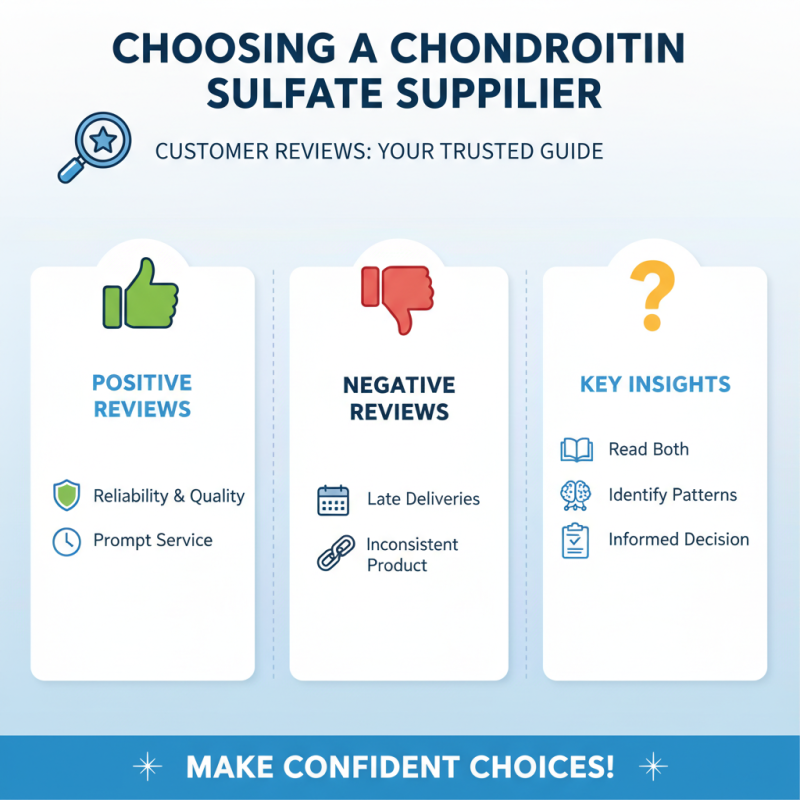
When choosing a chondroitin sulfate supplier, reputation and credibility in the industry matter significantly. A supplier’s track record can give insights into their reliability. According to a recent report, 75% of successful suppliers have at least a decade of experience in the market. This longevity often correlates with trustworthiness. Reviews and testimonials provide further clarity. Many businesses turn to online platforms to gauge the experiences of others.
Nonetheless, not all reviews are genuine. Some may be overly positive, lacking critical assessments. This inconsistency can lead to miscalculations. A detailed analysis of supplier practices is needed. For instance, a survey indicated that 68% of clients prefer suppliers with transparent sourcing methods. Suppliers committed to quality control tend to outperform others. Their approach to testing raw materials shows a real commitment to excellence.
Don’t overlook certifications either. The absence of recognized certifications might raise red flags. Data shows that suppliers with certifications improve customer confidence by up to 40%. However, vigilance is essential; not all certifications reflect quality. Avoid relying solely on industry standards to judge credibility. Balancing qualitative and quantitative assessments is vital for a thorough evaluation.
How to Choose the Best Chondroitin Sulfate Supplier? - Evaluating Supplier Reputation and Credibility in the Industry
| Criterion |
Description |
Rating (1-5) |
| Industry Experience |
Years of operation and expertise in supplying chondroitin sulfate. |
4 |
| Quality Assurance |
Certifications such as GMP, ISO, and adherence to product testing standards. |
5 |
| Customer Reviews |
Feedback from previous customers and user satisfaction ratings. |
4 |
| Product Variety |
Range of chondroitin sulfate products and custom formulations offered. |
3 |
| Customer Support |
Accessibility and responsiveness of the support team. |
4 |
| Pricing Competitiveness |
Comparison of pricing with industry standards and other suppliers. |
3 |
| Shipping and Delivery |
Efficiency and reliability of the supplier's shipping processes. |
4 |
| Return Policy |
Clarity and fairness of the return and refund policies. |
4 |
Comparing Pricing and Value Among Different Suppliers
When selecting a chondroitin sulfate supplier, pricing and value play critical roles. The global market for chondroitin sulfate is projected to reach $725 million by 2025, according to industry reports. This growth highlights the demand for high-quality products. Suppliers often vary widely in pricing, sometimes by as much as 40%. It’s essential to compare the unit costs carefully, ensuring that lower prices do not compromise purity and efficacy.
However, it’s not just about price. Value encompasses factors like product quality, sourcing practices, and certifications. A cheaper option may seem appealing, but if it lacks proper testing or traceability, the risks increase. In a market where the average price per gram ranges from $2.50 to $5.00, understanding what you get for your investment is crucial. Many suppliers may cut corners, focusing solely on profit. This is a significant consideration for manufacturers looking for reliable ingredients.
Another critical aspect is the supplier's reliability. Timely delivery and consistent quality matter immensely. Some suppliers struggle with batch variability, causing disruption in production. Look for suppliers with quality assurance protocols in place. Scrutinizing the documentation and asking for third-party testing results can offer insight into their reliability. Keep these factors in mind to ensure the best choice for your needs.