China Best Docosahexaenoic Acid Suppliers for Global Buyers?
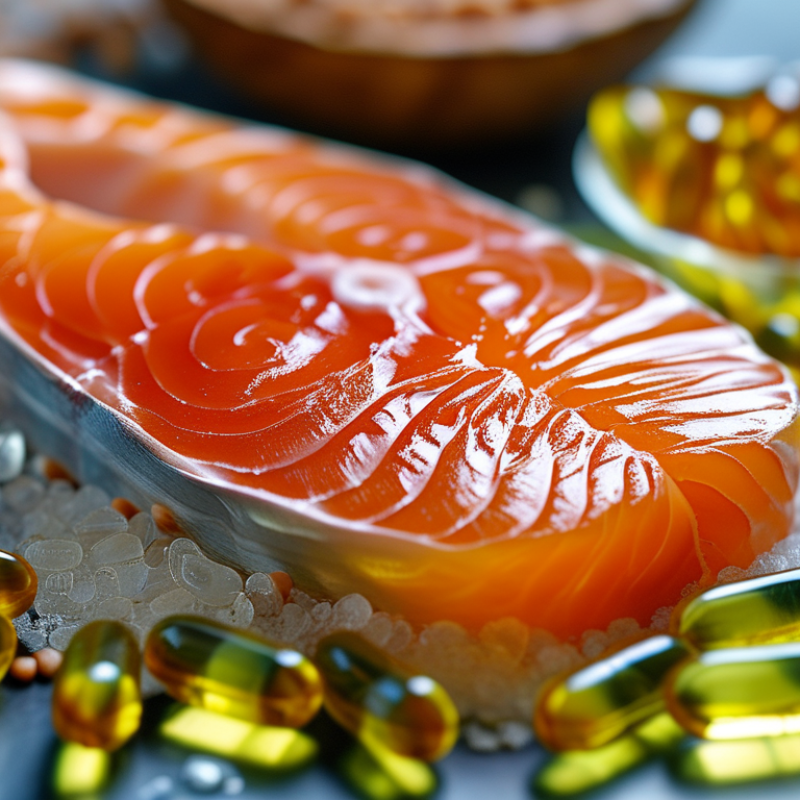
As the demand for Docosahexaenoic Acid (DHA) continues to rise, China stands out as a leading supplier. DHA is vital for brain health and is commonly found in fish oil and algae. Global buyers seek the best sources for this essential nutrient, aiming for high quality and sustainability.
In recent years, Chinese suppliers have developed innovative harvesting and extraction methods. These practices enhance DHA purity and bioavailability. However, buyers must navigate a complex landscape. Not all suppliers adhere to strict quality standards. It's crucial to find partners who prioritize transparency and testing.
While China offers competitive pricing, the focus should remain on reliability and expertise. Some suppliers may fall short in these areas, leading to subpar products. Buyers should conduct thorough research and seek recommendations. Making informed choices is key to securing the best DHA for health needs.
Overview of Docosahexaenoic Acid and Its Health Benefits
Docosahexaenoic acid (DHA) is a crucial omega-3 fatty acid. It plays a vital role in brain health and development. Studies indicate that DHA may reduce the risk of heart diseases and improve cognitive function. According to the Global Organization for EPA and DHA Omega-3s, DHA intake is linked to better mental performance. Aiming for adequate levels of DHA is essential for optimal health.
Recent research highlights the growing demand for DHA supplementation due to increasing health consciousness. Reports from the Nutrition Business Journal show that the omega-3 market has expanded significantly, with consumers seeking high-quality sources. This trend underscores the rising awareness of DHA’s benefits on overall wellness, especially for pregnant women and infants. Additionally, studies suggest potential benefits for older adults in preventing cognitive decline.
Despite these positive findings, some controversies remain. The bioavailability of DHA from various sources can vary. This variability often depends on dietary habits and individual metabolic differences. Not all supplements provide equal health benefits. Buyers must be cautious and informed, ensuring they select reputable suppliers with reliable sourcing practices. It's crucial to reflect on one's dietary choices when aiming to boost DHA intake effectively.
Key Characteristics of High-Quality DHA Suppliers in China
When looking for high-quality docosahexaenoic acid (DHA) suppliers in China, there are key characteristics to consider. One critical factor is the source of the DHA. Sustainable sourcing from wild-caught fish or algae is preferred. Research indicates that algae-based DHA often offers higher purity levels. This purity is vital to meet international dietary guidelines.
Another aspect is the suppliers' certifications. High-quality suppliers usually have certifications like ISO and GMP. These certifications ensure that the DHA is manufactured under strict quality control. It also indicates adherence to safety standards. Reports show that suppliers with these certifications tend to produce DHA with higher content and fewer contaminants.
Tips: Always request a Certificate of Analysis (CoA) from suppliers. This document verifies the DHA's purity and quality. Additionally, ask about the supplier's traceability practices. Knowing the origin of the ingredients can be crucial for quality assurance. Transparency is essential in establishing trust with suppliers. Be cautious of overly low prices; they may indicate compromised quality.
Top Chinese Companies Leading the DHA Market for Global Exports
The demand for docosahexaenoic acid (DHA) continues to rise globally. Chinese companies play a significant role in the DHA market. According to industry reports, China accounts for nearly 30% of the global DHA supply. This statistic highlights the country's growing influence in the health and nutrition sectors.
Several leading firms specialize in producing high-quality DHA from marine sources, reflecting their commitment to sustainability. However, challenges remain in maintaining consistent quality and ensuring environmentally friendly practices. Reports indicate that some suppliers face criticism over their sourcing methods. Improving transparency in the supply chain is crucial for building trust with international buyers.
In a rapidly evolving market, staying updated with trends is essential. The global demand for omega-3 products is projected to grow by around 10% annually. Chinese suppliers must innovate to meet these needs. While many companies are advancing, gaps in technology and regulatory compliance still exist. Addressing these will enhance China's position in the global market.
China Best Docosahexaenoic Acid Suppliers for Global Buyers
| Supplier Location |
Production Capacity (MT/year) |
DHA Purity (%) |
Exported Countries |
Certification |
| Shandong Province |
5000 |
99.9 |
USA, Canada, EU |
ISO 9001, HACCP |
| Zhejiang Province |
8000 |
99.5 |
Australia, Japan, UK |
GMP, FSSC 22000 |
| Guangdong Province |
6000 |
99.8 |
Singapore, South Korea |
FDA, ISO 22000 |
| Hebei Province |
7000 |
99.7 |
Mexico, Brazil |
Halal, Kosher |
Comparative Analysis of Prices and Quality Among Chinese DHA Suppliers
When looking for the best docosahexaenoic acid (DHA) suppliers in China, both price and quality are critical. Chinese suppliers offer a wide range of DHA products. However, prices can vary significantly, which makes proper evaluation essential.
Quality control is paramount. Some suppliers may have rigorous testing. Others might cut corners to reduce costs. This inconsistency can affect the purity and effectiveness of DHA. It’s important to request detailed specifications. Certificates of analysis can provide insights into product quality.
Tip: Always compare different suppliers. Look for reviews and testimonials. This can help gauge reliability. In the end, a balance between quality and price is essential for making informed decisions. Consider small sample orders before committing to larger purchases. This allows you to evaluate both price and performance effectively.
Sourcing and Regulatory Considerations for International Buyers of DHA
When sourcing docosahexaenoic acid (DHA), international buyers face numerous
regulatory hurdles. Understanding these regulations is crucial for a successful partnership.
Each country has specific guidelines regarding the import of dietary supplements and nutritional ingredients. Compliance
with these rules helps maintain product quality and safety. Without this knowledge, buyers risk delays or even legal issues.
Buyers should consider the sourcing region's reputation. Some suppliers may have
advanced quality assurance processes, while others may lack transparency. It can be challenging to navigate these differences.
Conducting thorough vetting ensures suppliers meet required standards. Additionally, obtaining certifications
can enhance credibility. Missing these crucial steps could lead to serious consequences.
Partnerships with experienced suppliers are invaluable. They can provide insights into local regulations and market trends.
However, not all suppliers may fully understand the changing regulatory landscape. Miscommunication can arise if expectations
are not clearly defined. Building trust takes time, but it is essential for long-term success. Education on both sides is a
path toward better collaboration and compliance.