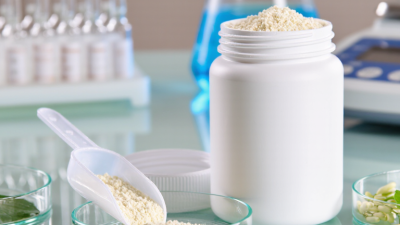
Wholesale Dihydromyricetin Powder sourcing in 2026 calls for more than comparing prices. Buyers need to examine identity, purity, batch consistency, and documentation. A certificate of analysis should match the specific lot, not merely show a generic specification. Ask how the supplier verifies dihydromyricetin content and manages changes between harvests or production runs. Small details matter.
The broader market offers context, not a direct forecast for this ingredient. Grand View Research valued the global dietary supplements market at approximately USD 177.5 billion in 2023 and projected 9.1% annual growth from 2024 to 2030. That estimate does not establish demand or pricing for dihydromyricetin itself. Treat it as background, not a purchasing guarantee. W. Edwards Deming, a recognized quality-management expert, is widely associated with the principle, “Quality is everyone’s responsibility.” Applied to ingredient procurement, that means checking supplier controls alongside laboratory results. Request traceable batch records, testing methods, and clear storage guidance. Compare quotations only after confirming that specifications and packaging are comparable. A low price can conceal meaningful differences.
There is no shortcut here. This guide explores practical checks for evaluating Wholesale Dihydromyricetin Powder offers in 2026, while recognizing that supplier claims require independent review. Verify the evidence before committing.
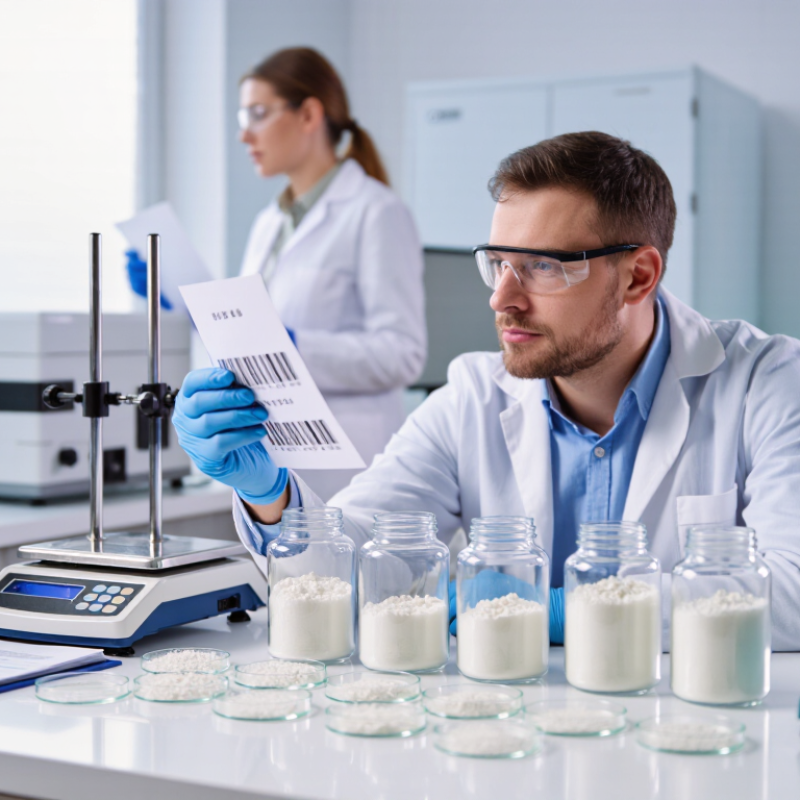
Dihydromyricetin (DHM) is a flavonoid commonly extracted from Ampelopsis grossedentata, also known as vine tea. In wholesale trade, the powder is generally sold as a botanical ingredient for supplement and research-product formulations. It is not a finished product, and its assay percentage alone does not establish quality or suitability. Buyers should review the botanical identity, extraction details, and batch-specific certificate of analysis before comparing prices.
Market context helps, but it has limits. Grand View Research’s 2024 Dietary Supplements Market report estimated the global market at USD 177.5 billion in 2023 and projected 9.1% annual growth from 2024 to 2030. This broad figure does not measure DHM sales or prove demand for a particular grade. For a 2026 purchase, request current test results for identity, assay, moisture, microbial limits, heavy metals, and residual solvents. Check that the documents match the lot being offered. A polished specification sheet can still leave questions unanswered.
Tips: Ask for a sealed sample and compare its color, odor, and laboratory results with the production lot. Confirm packaging size, storage conditions, lead time, and traceability in writing. Don’t rely on price alone. Real batches vary, and that deserves a closer look.
| Topic | What Buyers Should Know | Wholesale Buying Consideration |
|---|---|---|
| Ingredient identity | Dihydromyricetin, also known as ampelopsin, is a flavonoid found in some plant species, including Ampelopsis grossedentata. | Confirm the ingredient name, botanical source, and identity test on the product specification and certificate of analysis (COA). |
| Common wholesale format | A dry powder supplied as a bulk ingredient for further processing or formulation. | Ask for available pack sizes, minimum order quantity, and whether sample quantities are available. These terms vary by supplier. |
| Purity and assay | Assay values and test methods can differ between products and suppliers. | Compare the stated assay, analytical method, batch number, and test date. Do not assume that products with similar descriptions have equivalent specifications. |
| Quality documentation | A COA may report identity, assay, appearance, and selected contaminant tests for a particular batch. | Request batch-specific documentation. Depending on intended use and local requirements, also review relevant heavy-metal, microbiological, pesticide, and residual-solvent information. |
| Potential formulation uses | Wholesale powder may be considered for research or for formulation into products where use is permitted by applicable regulations. | Check the ingredient’s permitted status, labeling rules, and intended-use requirements in the destination market before placing a commercial order. |
| Solubility and processing | Solubility and dispersion behavior depend on the ingredient and the formulation conditions. | Request technical data and test a sample in the intended formulation before committing to a large volume. |
| Storage and shelf life | Storage conditions and shelf life should be established from the supplier’s product-specific documentation. | Check the recommended temperature, moisture and light precautions, packaging integrity, and expiry or retest date. |
| Price comparison | Wholesale prices depend on factors such as order volume, specification, testing, packaging, and delivery terms. | Compare written quotations on the same specification and basis, including shipping, duties, payment terms, and any testing costs. |
| Supplier assessment | Supplier capabilities and quality systems should be evaluated using verifiable documents and communication. | Review traceability, batch records, change-control practices, and applicable quality certifications. Verify documents independently where practical. |
| Import and compliance | Import, ingredient, and product rules vary by jurisdiction and intended use. | Confirm customs classification, required import documents, and applicable food, supplement, or research-use rules with qualified local advisers. |
Note: Product specifications, availability, and regulatory requirements vary. Verify all details for the specific batch and destination market before purchase.
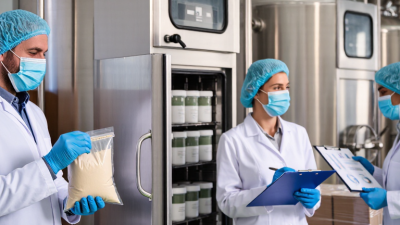
Before requesting wholesale quotes, define the powder’s intended use and the grade that fits it. A little uncertainty is normal; “high purity” can mean different things to different suppliers. Set a minimum assay level, and ask which test method supports the reported result. Check the certificate of analysis for batch number, test date, and measured values. Small details matter. Depending on your application, you may also need limits for moisture, particle size, heavy metals, or microbiological counts. Ask whether these are tested routinely or only on request.
Order volume should follow your production plan, not just a lower price per kilogram. Estimate monthly use, shelf life, and storage capacity before choosing a quantity. A small sample or pilot order can reveal handling issues, such as clumping, color variation, or slow dissolution. Those observations are useful, though they do not replace formal testing. Confirm the minimum order, available pack sizes, lead time, and whether the same specifications apply to future batches. For larger orders, request a retained sample and agree in writing on acceptance criteria. A clear specification sheet makes quotes easier to compare and reduces surprises when the powder arrives.
How to Buy Wholesale Dihydromyricetin Powder in 2026?
Finding and Verifying Wholesale Suppliers in 2026
A reliable supplier should explain where the powder comes from, how each batch is identified, and what its specifications mean. Ask for a recent certificate of analysis tied to a specific lot, not a generic sample document. Check whether it reports identity, assay, moisture, and relevant contaminant testing. Methods matter. If the report is unclear, ask who performed the tests and whether the laboratory can verify the results directly.
Request a small production sample before discussing a large order. Compare its appearance and documentation with the stated specifications, then consider independent testing for confirmation. Ask how the supplier controls batch changes, stores sealed powder, and handles damaged packaging. A clean-looking sample proves little. That still isn't proof. Records should connect the sample, test results, and commercial lot.
In 2026, compare suppliers using more than price per kilogram. Review minimum order quantities, lead times, packaging details, and written procedures for complaints or rejected lots. Check that business records and contact details are consistent, and request references where practical. A video call can help clarify facility and process questions, but it cannot replace documentation. Some buyers, myself included, may be tempted to trust polished paperwork too quickly; documents need careful checking. Keep approval criteria in writing before placing a wholesale order.
Use the molecular formula as one basic identity cross-check when reviewing a supplier’s documentation.
Dihydromyricetin (DHM) has the molecular formula C15H12O8 and a molecular weight of approximately 320.25 g/mol. These reference values can help screen a specification sheet, but they do not verify a particular batch. Request a batch-specific certificate of analysis and suitable identity and purity test results from the supplier.
Reference: PubChem Compound Summary for Dihydromyricetin. Atom counts are taken from the molecular formula.
Wholesale Dihydromyricetin powder prices are meaningful only when specifications match. Compare the assay basis, particle size, moisture limit, packaging, shipping terms, and minimum order quantity. A low price per kilogram may reflect a lower active-content specification or exclude freight. A cheap quote can still be costly.
Request a batch-specific certificate of analysis, not a generic sample. Check that it identifies the tested lot and reports identity, assay, and relevant contaminant results. Ask for chromatograms and the test methods behind key results. Independent testing is more useful when the laboratory’s ISO/IEC 17025 accreditation covers the methods involved. The global dietary supplements market was estimated at USD 177.5 billion in 2023, with a projected 9.1% compound annual growth rate through 2030, according to Grand View Research’s industry report. Growth does not verify any supplier’s quality.
Regulatory checks depend on the intended market and product category. Confirm the ingredient’s permitted status, labeling rules, and import requirements with qualified regulatory counsel before purchase. Ask suppliers for traceability records, manufacturing-site details, and change-control procedures. Documents can look complete and still leave gaps; that is worth acknowledging. A pilot lot, tested against agreed specifications by an independent laboratory, can reveal problems before a large order.
Before placing a wholesale dihydromyricetin powder order, put the commercial details in writing. Specify the extract identity, assay method, agreed specification, batch size, packaging, and acceptable delivery window. Name the Incoterms 2020 rule and place of delivery; vague terms can leave insurance, customs handling, or freight costs unclear. Ask for the certificate of analysis before dispatch, not after the shipment arrives. Confirm who pays for independent testing if a lot fails agreed specifications.
Shipping needs a realistic buffer. UNCTAD’s Review of Maritime Transport 2024 reported that global maritime trade grew 2.4% in 2023, while disruptions can still affect schedules and routes. That figure is not a delivery forecast for your lane. Request the planned carrier, tracking details, and contingency process, then avoid scheduling production against the earliest estimated arrival. A few extra days matter.
At receipt, photograph sealed cartons and check lot numbers against the invoice and certificate. Inspect for torn liners, moisture, unusual odor, or powder clumping. Keep a retained sample from each lot. Use a qualified laboratory to verify identity and assay with an agreed method; set moisture, microbiological, and contaminant limits in advance. ISO 2859-1 offers a framework for attribute sampling, but sample size should reflect lot size and the agreed acceptance quality limit. Paperwork can look perfect. I would still hold the lot until results match the purchase specification; that slows release, but skipping it is a poor trade.