Top Benefits of Spermidine Trihydrochloride for Health and Longevity
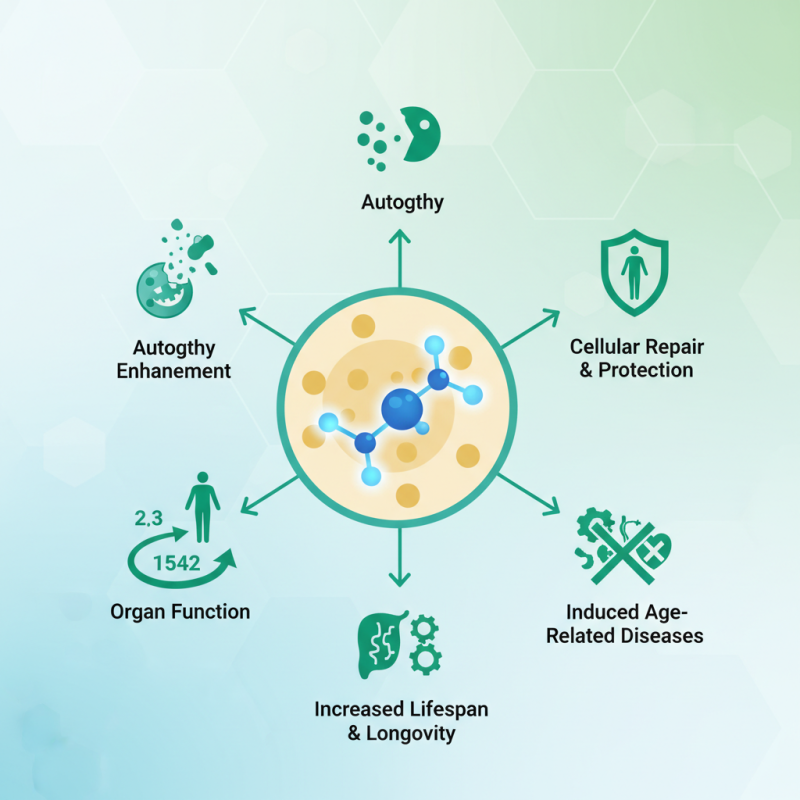
Spermidine Trihydrochloride has emerged as a focal point in health and longevity research, owing to its impressive array of benefits derived from cellular health and autophagy enhancement. According to a recent report published by the Journal of Cellular Biochemistry, spermidine supplementation has been linked to increased lifespan in model organisms, indicating its potential impact on human health. The study showcased that regular intake of Spermidine Trihydrochloride not only supports cellular repair processes but also reduces the risk of age-related diseases.
Expert Dr. Johnathan Meier, a leading biochemist specializing in polyamines, states, “Spermidine Trihydrochloride is a remarkable compound that facilitates cellular maintenance and rejuvenation. Its role in promoting autophagy can be a game-changer for longevity research.” This highlights the compound's growing significance in the field, as increased autophagy is associated with improved organ function and resistance to various diseases. As scientists continue to uncover the molecular mechanisms behind Spermidine Trihydrochloride, the potential for this compound to improve health outcomes and extend lifespan appears increasingly promising.
Overview of Spermidine Trihydrochloride and Its Sources
Spermidine trihydrochloride is a naturally occurring polyamine compound that plays a crucial role in cellular functions and has garnered increasing attention for its potential health benefits. This compound is primarily found in a variety of food sources, including aged cheese, legumes, mushrooms, and whole grains. Notably, research indicates that dietary intake of spermidine may be linked to enhanced longevity and improved cellular health. A study published in the journal Nature Medicine suggests that higher spermidine consumption correlates with a lower risk of cardiovascular-related mortality, highlighting its promising role in promoting overall health.
The physiological effects of spermidine are attributed to its role in autophagy, a critical process for cellular maintenance and renewal. According to research from the University of Graz, spermidine can stimulate autophagy, thereby aiding in the removal of damaged cellular components and reducing the risk of age-related diseases. This biological activity underscores the compound's significance not only in dietary considerations but also in therapeutic contexts, as ongoing studies continue to explore its implications for age-related health interventions. As we learn more about the sources and benefits of spermidine trihydrochloride, it becomes evident that incorporating spermidine-rich foods into diets may contribute positively to health and longevity.
Mechanisms of Action: How Spermidine Influences Cellular Health
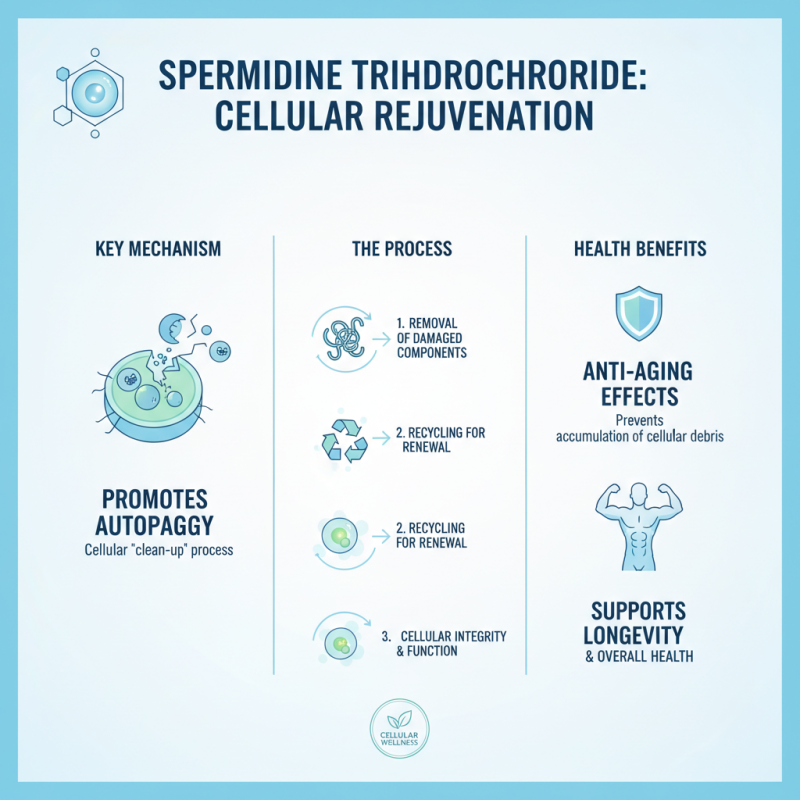
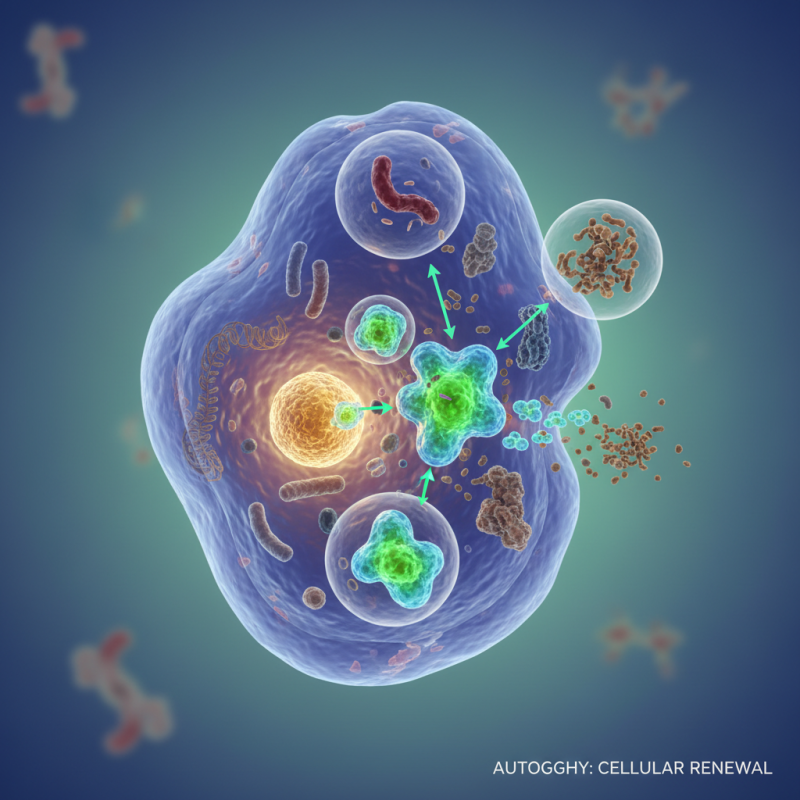
Spermidine trihydrochloride is gaining attention for its potential health benefits, particularly in the realm of cellular health. One of its primary mechanisms of action involves the promotion of autophagy, a crucial cellular process where damaged or dysfunctional components are recycled and removed. This process helps maintain cellular integrity and function, which is vital for overall health and longevity. By enhancing autophagy, spermidine may aid in preventing the accumulation of cellular debris that contributes to age-related diseases.
Additionally, spermidine has been shown to influence gene expression related to stress resistance and metabolic processes. Research indicates that spermidine activates certain pathways associated with cellular repair and regeneration. These pathways not only bolster the cell’s defense against stressors but also promote longevity at the organism level. By modulating these pathways, spermidine trihydrochloride may play a significant role in extending lifespan and improving health span, ultimately leading to a healthier, more vigorous life as we age.
Health Benefits of Spermidine Trihydrochloride on Aging
Spermidine trihydrochloride has emerged as a promising compound in the realm of health and longevity, particularly when it comes to its effects on aging. This naturally occurring polyamine helps to promote autophagy, a cellular cleansing process vital for maintaining cellular health and function. By facilitating the removal of damaged cells and promoting the regeneration of new ones, spermidine trihydrochloride may contribute to healthier aging. Studies suggest that individuals who incorporate spermidine into their diets can experience improved cardiovascular health, better cognitive function, and enhanced metabolic processes, which are crucial as one ages.
Tips: To optimize your intake of spermidine, consider incorporating foods rich in this compound into your diet. Consider adding items like aged cheese, mushrooms, and legumes, which are known to naturally contain spermidine. Staying active and engaging in regular physical exercise can also enhance the effects of spermidine, as it promotes the body’s natural health processes.
Moreover, recent research points towards spermidine’s potential role in delaying age-related diseases. By supporting cellular health through its antioxidant properties, spermidine may help protect against oxidative stress, a significant factor in the aging process. Those who focus on a balanced diet combined with regular physical activity will likely find greater benefits from spermidine supplementation, making it a valuable addition to a longevity-focused lifestyle.
Potential Role of Spermidine in Disease Prevention
Spermidine trihydrochloride is gaining attention for its potential role in disease prevention, particularly in age-related conditions. Research has demonstrated that spermidine, a naturally occurring polyamine, can promote cellular autophagy, a crucial process that helps in the removal of damaged cells and the maintenance of cellular homeostasis. A study published in the journal "Nature Medicine" highlighted that spermidine intake was linked to a 15% reduction in mortality rates among older adults, suggesting that it could play a significant role in enhancing lifespan and reducing diseases such as cardiovascular disorders and neurodegenerative conditions.
Furthermore, spermidine's influence on inflammation and its antioxidant properties position it as a promising candidate in the fight against chronic diseases. According to a report by the National Institutes of Health, compounds that activate autophagy are being studied for their potential benefits in conditions like Alzheimer's disease and cancer. By modulating cellular stress responses and inflammation via autophagy, spermidine may not only prevent but also mitigate the progression of these diseases. This growing body of evidence highlights the need for further exploration into spermidine's mechanisms and its possible therapeutic applications in public health strategies aimed at enhancing longevity and disease prevention.
Recommended Dosages and Safety Considerations for Supplementation
When considering the supplementation of spermidine trihydrochloride, it is essential to understand recommended dosages and safety parameters. Generally, studies involving spermidine supplementation have shown effective dosages ranging from 1 to 10 mg per day. For those just starting or looking to incorporate it into their health regimen, beginning with a lower dosage, such as 1 to 5 mg per day, is advisable. This approach allows individuals to assess their tolerance and gauge any potential side effects before gradually increasing the dosage, if desired.
Safety precautions should also be addressed. While spermidine is naturally found in various foods, such as soybeans and aged cheese, high-dose supplementation may lead to unintended effects. Potential side effects are rare but can include gastrointestinal discomfort in some individuals. It is also crucial for individuals with pre-existing health conditions or those taking medications to consult with a healthcare professional before starting spermidine supplementation. This ensures that any personal health factors are considered, thereby mitigating any risks associated with supplementation and enhancing overall wellness.