What are the Benefits of Phytic Acid in Your Diet?
Phytic Acid is a fascinating compound often found in plant-based foods. It plays a crucial role in our diet, acting as an antioxidant. Many grains, nuts, and seeds are rich in this nutrient. Despite its benefits, Phytic Acid can also present challenges.
For instance, Phytic Acid can bind to minerals, making them less available for absorption. This might raise concerns for some individuals. Yet, its health benefits cannot be overlooked. Research suggests that it may help in reducing the risk of certain diseases.
Incorporating Phytic Acid into a balanced diet can be beneficial. It offers potential protection against oxidative stress and inflammation. However, moderation is key. While it is a valuable nutrient, understanding its impact on nutrient absorption is essential for a well-rounded lifestyle.
Benefits of Phytic Acid: Overview of Its Nutritional Value
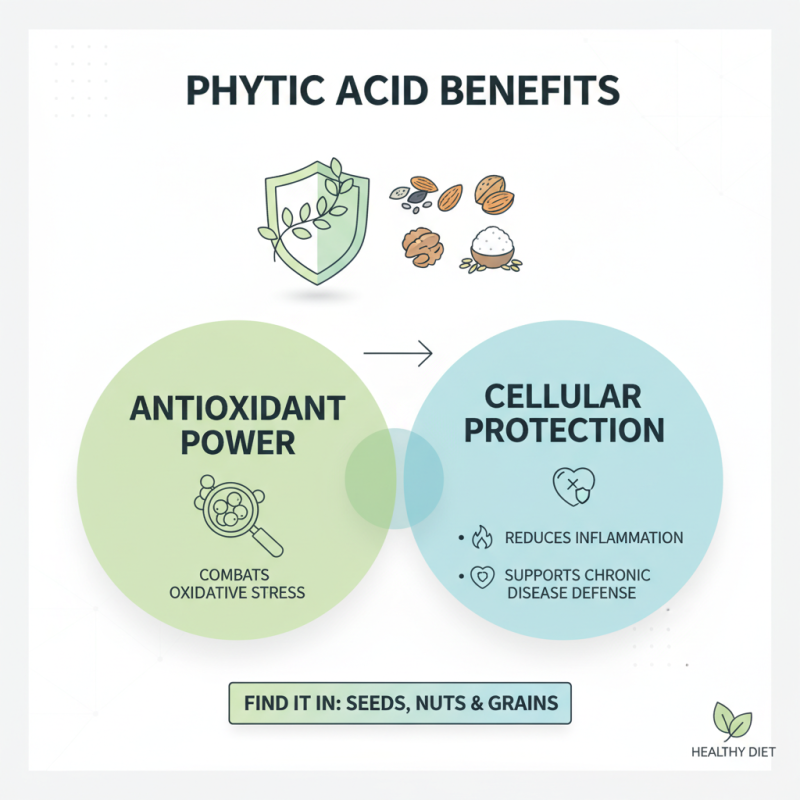
Phytic acid, often found in grains and legumes, is not just another compound. It serves as a natural antioxidant, protecting cells from oxidative stress. This can help reduce the risk of chronic diseases. Many overlook its presence in whole foods, assuming it holds no value.
Beyond its antioxidant properties, phytic acid also plays a role in mineral absorption. While it can bind minerals like iron and zinc, it can be a double-edged sword. People consuming high-phytate diets might face mineral deficiencies. But in moderation, it can contribute positively to gut health. The fiber content in these foods helps maintain digestive balance.
Including phytic acid in your diet may enhance your nutritional intake. However, one must reflect on food choices. Are they well-rounded? Incorporating a mix of foods is essential. A balanced diet can ensure that the benefits outweigh potential downsides.
Role of Phytic Acid in Mineral Absorption and Bioavailability
Phytic acid, found mainly in seeds and whole grains, plays an intriguing role in mineral absorption. While it is often labeled as an ‘antinutrient’ due to its binding properties, it can also enhance bioavailability. This means that when consumed in appropriate amounts, phytic acid can actually help improve how our bodies utilize certain minerals.
Phytic acid binds to minerals like zinc, iron, and calcium. In some cases, it can make them less available for absorption. But this is not always negative. When you combine phytic acid-rich foods with vitamin C or other enhancers, absorption can increase. Adding fruits or vegetables can help counteract any negative effects.
Tips: Soak grains and legumes before cooking. This reduces phytic acid levels and enhances nutrient availability. Sprouting can also help, making minerals more accessible. Consider a varied diet to balance out mineral intake. Be mindful that excessive consumption of high-phytate foods could lead to deficiencies if not paired wisely.
Benefits of Phytic Acid in Your Diet
Phytic acid, also known as inositol hexakisphosphate (IP6), is found in many plant-based foods. It plays a significant role in mineral absorption and bioavailability. Below is a chart illustrating the potential benefits of phytic acid on various minerals absorption.
Antioxidant Properties of Phytic Acid and Health Implications
Phytic acid, often found in seeds, nuts, and grains, has several intriguing health benefits. One notable feature is its antioxidant properties. These compounds help to combat oxidative stress in the body. Oxidative stress can lead to various health issues, such as inflammation and chronic diseases. Including foods rich in phytic acid in your diet may provide a simple way to help protect against these conditions.
Moreover, phytic acid can also enhance mineral absorption. It binds to minerals like iron and zinc, improving their bioavailability. This means your body can utilize these essential nutrients more effectively. However, it's worth noting that in some cases, high levels of phytic acid might inhibit nutrient absorption. This points to a need for balance in your diet. Consuming a variety of foods ensures you receive adequate nutrients while enjoying the benefits of phytic acid. It's a constant learning process to understand how such components fit into our overall nutrition.
Potential Health Benefits of Phytic Acid Beyond Nutrition
Phytic acid, often found in grains and legumes, has been gaining attention in the health community. This substance may do more than just impact nutrition. Studies indicate that phytic acid can act as a powerful antioxidant. Antioxidants are vital for combating oxidative stress in the body. They can help prevent chronic diseases, including heart disease and cancer.
Research from the Journal of Nutritional Biochemistry highlights that phytic acid may play a role in reducing the risk of certain cancers. It can inhibit cancer cell growth, particularly in the colon. Reports suggest that a diet high in fiber and phytic acid may significantly lower the incidence of colorectal cancer. This is especially relevant for populations with high grain diets.
**Tip:** Incorporate more legumes, whole grains, and seeds into your meals to maximize health benefits. They can provide a rich source of phytic acid and other important nutrients.
However, be mindful that excessive intake of phytic acid could inhibit mineral absorption. It binds to minerals like calcium, zinc, and iron. This could lead to deficiencies if not managed properly. Balance is key when adding more phytic acid-rich foods to your diet.
**Tip:** Soaking grains and legumes can reduce phytic acid levels, improving mineral availability. Try this method before cooking.
What are the Benefits of Phytic Acid in Your Diet? - Potential Health Benefits of Phytic Acid Beyond Nutrition
| Health Benefit |
Description |
Sources |
| Antioxidant Properties |
Phytic acid can help reduce oxidative stress in the body. |
Beans, nuts, seeds, whole grains |
| Bone Health |
May enhance mineral absorption, including calcium. |
Nuts, seeds, legumes |
| Digestive Health |
Acts as a prebiotic to support gut microbiota. |
Whole grains, oats, legumes |
| Cancer Prevention |
May reduce risk of certain cancers by inhibiting tumor growth. |
Whole grains, beans |
| Blood Sugar Control |
Can help improve insulin sensitivity in the body. |
Nuts, seeds, whole grains |
Sources of Phytic Acid: Foods Rich in This Compound
Phytic acid is a natural compound found in various foods. It is primarily present in seeds, nuts, and whole grains. For instance, almonds, chia seeds, and brown rice are excellent sources. Including these foods in your diet can enhance your mineral intake. However, one must consider the absorption issue as phytic acid can bind to minerals like calcium and zinc.
Legumes, such as lentils and chickpeas, also contain phytic acid. They provide protein and fiber, making them a solid dietary choice. Interestingly, when cooking these legumes, soaking them can reduce phytic acid levels. This simple method can improve mineral absorption. However, not everyone may follow this practice, which can lead to nutritional imbalances over time.
You may also find phytic acid in oats and wheat. Whole wheat bread is a common staple but could limit mineral uptake if consumed excessively. Balancing your diet is crucial. Enjoying foods high in phytic acid is beneficial, but it's essential to mix them with other food groups. Emphasizing variety is key to achieving optimal nutrition.