What are the Benefits of Fucoidans for Health and Wellness?
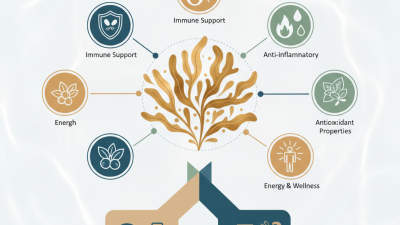
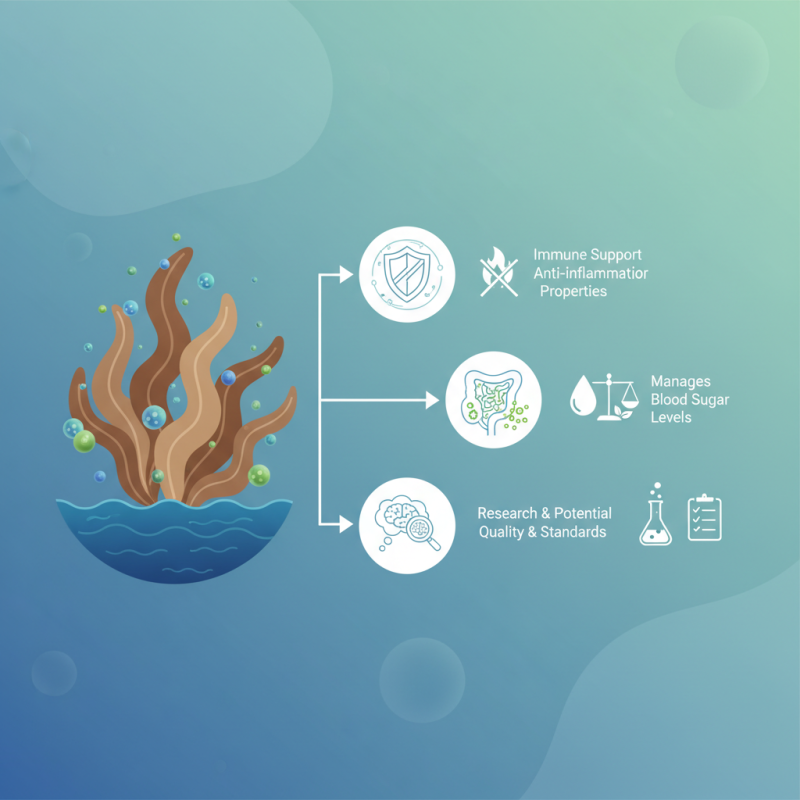
Fucoidans, a group of complex polysaccharides derived from brown seaweeds, have garnered significant attention in recent years. According to a report by the International Journal of Molecular Sciences, these compounds exhibit diverse biological activities. They are recognized for their potential benefits in health and wellness, ranging from immune support to anti-inflammatory properties.
Research has shown that fucoidans may improve gut health, aiding digestion and promoting the growth of beneficial bacteria. A study published in the Journal of Functional Foods highlighted that these compounds could assist in managing blood sugar levels. This information indicates their relevance in both preventive and therapeutic nutrition.
Yet, despite the promising data, many people remain unaware of fucoidans’ full potential. Skepticism exists due to the variability in sources and extraction methods. Not all fucoidan supplements offer the same efficacy, making informed choices essential. As interest grows, so does the need for reliable information and quality standards in fucoidan products. This ongoing evolution leaves room for reflection on best practices and informed consumption within the supplement industry.
Overview of Fucoidans and Their Sources
Fucoidans are polysaccharides found in brown seaweeds. They come from various marine sources, mainly species like wakame, kombu, and bladderwrack. These complex sugars have garnered interest for their potential health benefits. Researchers are exploring their role in supporting immune health and promoting cardiovascular wellness. This makes them a focus in the field of natural health.
**Tip:** Incorporating seaweed into your diet can be a simple way to access fucoidans. Try adding dried seaweed to soups, salads, or smoothies.
Not all fucoidan sources are equal. Different species of seaweed have varying concentrations of these compounds. For instance, wakame is known for its higher fucoidan content compared to other types. Also, factors like the method of extraction and preparation play a role in their effectiveness.
**Tip:** When interested in fucoidans, choose organic seaweed products. This helps avoid contaminants and ensures you're consuming a purer form.
While fucoidans show promise, more research is necessary. Individual responses to these compounds can vary widely. Understanding your body’s reaction can help tailor their use to your wellness routine.
What are the Benefits of Fucoidans for Health and Wellness?
| Benefit |
Description |
Source |
| Immune System Support |
Fucoidans have been shown to enhance the immune response, potentially aiding the body in fighting infections. |
Brown seaweeds such as Kombu and Wakame |
| Anti-inflammatory Properties |
These polysaccharides can help reduce inflammation in the body, which is linked to various chronic diseases. |
Fucus vesiculosus (Bladderwrack) |
| Antioxidant Effects |
Fucoidans possess antioxidant properties, which can help protect cells from oxidative stress. |
Kelp and other marine algae |
| Digestive Health |
Fucoidan may support digestive health by promoting the growth of beneficial gut bacteria. |
Seaweeds like Nori |
| Heart Health |
Research indicates fucoidans may contribute to cardiovascular health by improving cholesterol levels. |
Various species of brown algae |
| Weight Management |
Fucoidans are thought to help with weight management by regulating fat metabolism. |
Brown seaweed extracts |
Mechanisms of Action: How Fucoidans Benefit Health
Fucoidans are bioactive compounds found in brown seaweed. They have garnered attention for their health benefits. One major mechanism of action is their ability to boost immune function. Fucoidans stimulate the activity of immune cells. This, in turn, helps the body fend off infections more effectively.
Another significant advantage of fucoidans is their anti-inflammatory properties. They inhibit inflammatory pathways that can lead to chronic diseases. Regular consumption may reduce inflammation in the body. Studies indicate that fucoidans can support cardiovascular health by improving lipid profiles. This can lower the risk of heart disease.
Additionally, fucoidans show promise in their role as antioxidants. They combat oxidative stress, which contributes to aging and various health conditions. However, more research is needed to fully understand their long-term effects. As with any supplement, it's essential to approach fucoidans with careful consideration. Not all effects may be beneficial for everyone. Individual responses can vary, making it vital to consult with a healthcare professional before starting any new dietary regimen.
Health Benefits of Fucoidans: Immunity and Anti-Inflammatory Effects
Fucoidans, natural polysaccharides found in brown seaweed, offer significant benefits for health. These compounds are praised for their ability to enhance immunity. Numerous studies suggest that fucoidans can bolster the immune response. This helps the body fend off potential infections. People often report fewer illnesses when integrating fucoidans into their diets.
In addition to boosting immunity, fucoidans are known for their anti-inflammatory properties. Chronic inflammation is linked to various health issues. Fucoidans may inhibit specific pathways associated with inflammation. By doing so, they can alleviate symptoms in conditions like arthritis and asthma. Evidence shows that regular consumption may reduce discomfort and improve mobility. This aspect of fucoidans is crucial, as many seek natural alternatives to manage inflammation.
While the benefits are compelling, research is still evolving. Not all studies yield the same results regarding fucoidan's effectiveness. It’s essential to approach these findings with a critical eye. Individuals should consult health professionals before making significant dietary changes. Balancing fucoidan intake with a varied diet remains key for overall wellness.
Fucoidans in Disease Prevention: Cancer and Cardiovascular Health
Fucoidans are complex carbohydrates found in brown seaweeds. Research indicates they may play a significant role in disease prevention. Specifically, the potential benefits of fucoidans in combating cancer and supporting cardiovascular health are gaining attention.
In cancer research, fucoidans have shown promise. Some studies suggest that these compounds can inhibit tumor growth and induce cancer cell death. They may enhance the immune response, making it easier for the body to fight off malignant cells. However, more clinical trials are needed to fully understand these effects.
Fucoidans may also benefit heart health. They can help reduce inflammation, a major risk factor for cardiovascular diseases. Some preliminary studies show that they may lower cholesterol levels and improve blood circulation. That said, individual results can vary significantly. Those interested in fucoidans should consult healthcare professionals before making any changes to their health regimen. More research is necessary to confirm these benefits and establish effective dosages.
Integrating Fucoidans into Daily Health Routines and Diet
Integrating fucoidans into your daily health routine can be simple and beneficial. These natural polysaccharides are derived from brown seaweed and offer numerous health advantages. Including them in your diet can support immune function and promote overall wellness.
Consider adding seaweed to your meals. A small amount can enhance salads, soups, or smoothies. Explore different types of seaweeds, as they provide unique flavors and textures. If you’re not a fan of seaweed, supplements are available. They can be easily taken with water or added to smoothies.
Along with dietary changes, practice mindfulness about your health. Reflect on how you feel after consuming fucoidans. Do you notice any differences in energy or immunity? Everyone's experience may vary. Being attentive to these changes can help you understand the impact on your health. Small adjustments like these can create a big difference over time.