2026 Best Wholesale L-Glutamine Benefits and Uses?
The demand for Wholesale L-Glutamine has surged in recent years. As an essential amino acid, it plays a vital role in various bodily functions. According to the Nutritional Supplements Industry Report, the global L-glutamine market is projected to reach $1 billion by 2026. This remarkable growth signals a changing landscape in health and wellness.
Dr. Michael Roberts, a leading expert in nutritional biochemistry, stated, “Wholesale L-Glutamine is a game-changer for athletes and recovery.” His insights echo a growing awareness of glutamine’s benefits. It supports muscle recovery, immune health, and gut function. Many athletes now consider it indispensable after intense training sessions.
However, despite its benefits, not all Wholesale L-Glutamine products are created equal. Quality and sourcing can vary significantly. Some brands may lack potency or purity. Consumers must be vigilant when selecting products. A careful approach can ensure they choose a quality supplement that meets their needs. Understanding these dynamics is crucial in today’s wellness market.

Benefits of L-Glutamine for Muscle Recovery and Growth
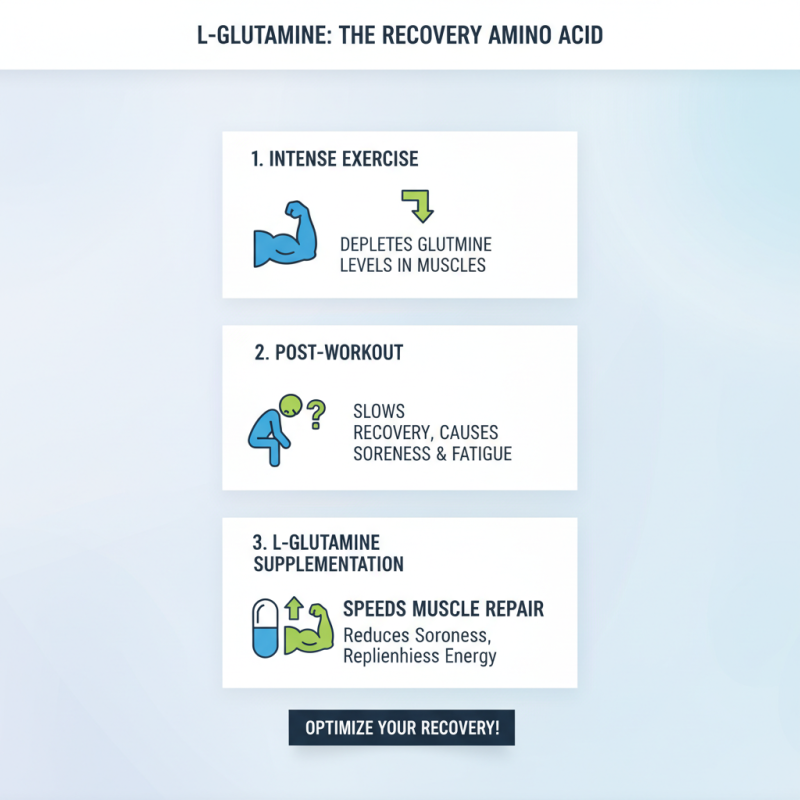
L-Glutamine is a remarkable amino acid, often overlooked in fitness circles. It plays a crucial role in muscle recovery after strenuous workouts. When we exercise intensely, our body depletes its glutamine levels. This can hinder recovery, leading to prolonged soreness and fatigue.
Supplying your body with L-Glutamine may help restore those depleted levels. Many athletes report improved recovery times. They often notice less muscle soreness and stiffness. It's important to remember that individual results can vary. Some may not feel significant differences, so it’s essential to assess your own needs.
In addition to recovery, L-Glutamine aids in muscle growth. It stimulates protein synthesis and supports the immune system. A healthy immune system is crucial for those pushing their limits. However, relying solely on supplements may not be the best approach. A balanced diet and proper training should be top priorities.
Impact of L-Glutamine on Gut Health and Digestive Function
L-Glutamine plays a vital role in gut health and digestive function. Research indicates that it is an essential amino acid for the intestines. It supports the integrity of the gut lining, preventing permeability issues. A 2020 study found that L-Glutamine supplementation reduced intestinal permeability by 25% in adults with digestive disorders. This is significant for individuals struggling with conditions like irritable bowel syndrome (IBS).
The amino acid also acts as a fuel source for enterocytes, the cells lining the gut. These cells are crucial for nutrient absorption. A 2019 report highlighted that adequate L-Glutamine levels enhance gut function and promote recovery from inflammation. Many people overlook these functions in their diets. It's notable that a deficiency can lead to imbalances and increased gastrointestinal issues.
Incorporating L-Glutamine into a daily routine may require careful considerations. Not everyone experiences the same benefits. Some might face side effects or inadequate results. It's essential to assess individual needs and consult with healthcare professionals. Each person's digestive health journey is unique. Finding the right approach takes time and adjustment.
2026 Best Wholesale L-Glutamine Benefits and Uses
| Benefit |
Description |
Recommended Use |
| Supports Gut Health |
L-Glutamine is crucial for maintaining the intestinal barrier and reducing permeability. |
10-15 grams daily, preferably post-workout or between meals. |
| Enhances Recovery |
Aids in muscle recovery after intense exercise by replenishing glycogen stores. |
5-10 grams immediately after workouts. |
| Improves Immune Function |
Supports immune cells, particularly during stress and strenuous activity. |
5 grams during times of stress or illness. |
| Supports Brain Health |
Acts as a precursor to neurotransmitters, playing a role in brain function. |
2-5 grams as needed for cognitive support. |
| Helps Manage Stress |
May mitigate the effects of physical and emotional stress on the body. |
5 grams mixed in water or juice during stressful periods. |
Role of L-Glutamine in Immune System Support and Functionality
L-Glutamine plays a crucial role in supporting the immune system. This amino acid is essential for the growth and function of immune cells. T-cells and macrophages need it to thrive and respond effectively to infections. Without enough L-Glutamine, these cells may become weaker. This can lead to reduced immune responses.
Athletes often face intense physical stress. This stress can deplete their L-Glutamine levels. Consequently, they may become more susceptible to illness. Supplementing with L-Glutamine can help maintain adequate levels in the body. This ensures the immune system functions optimally, even during rigorous training periods.
There are some considerations to keep in mind. Not everyone needs an L-Glutamine supplement. For some, a balanced diet may suffice. It’s a good idea to assess individual needs. Consulting with a healthcare professional can provide clarity. This reflects the idea that one size does not fit all. Personal needs vary widely, and understanding that difference is key.
Recommended Dosages and Timing for Optimal L-Glutamine Use
L-Glutamine is gaining attention for its wide-ranging benefits. Recommended dosages often range between 5 to 10 grams per day. Timing can significantly influence its effectiveness. Many experts suggest taking L-Glutamine post-workout. This timing helps support muscle recovery. Research indicates that L-Glutamine may enhance protein synthesis. In turn, this can lead to improved muscle growth.
Some reports indicate L-Glutamine can assist with gut health. A daily intake of around 10 grams may positively impact gut lining. However, the exact needs vary by individual. Factors include exercise level and dietary habits. That said, daily needs can fluctuate. Over-supplementation is possible and may cause distress.
Experimenting with timing can yield different results. For athletes, splitting doses throughout the day may be beneficial. Morning and evening doses can maintain consistent levels in the bloodstream. Nevertheless, some individuals report digestive discomfort. It's essential to listen to your body’s signals and adjust as necessary. Keeping a log can highlight patterns and responses to L-Glutamine intake.
Potential Side Effects and Considerations for Supplementing L-Glutamine
L-Glutamine is popular among athletes and health enthusiasts for its numerous benefits. However, there are potential side effects to consider. Some users report digestive issues, such as bloating or gas. Others may experience fatigue or headaches. These reactions can vary from person to person.
Tips: Start with a small dose. Monitor your body’s response. Gradually increase if needed.
Another concern is the possible interaction with medications. If you're on certain drugs, consult a healthcare professional. L-Glutamine can also affect those with liver conditions. Caution is advised for those individuals.
Tips: Keep a log of your experiences. This can help identify any negative reactions over time. Always be open to adjusting your regimen based on how you feel.
Overall, while L-Glutamine can offer benefits, awareness of its side effects is crucial. Listening to your body is essential. Engagement in self-reflection about the effects can lead to better decisions regarding supplementation.